
 Skip to content
 A custom enterprise desktop configurator that combined interactive 3D room planning, constraint-aware equipment placement, and automated quotation generation to support the full journey from product marketing to sales.


Enterprise desktop configurator

3D planning + automated quoting

Faster proposals and stronger sales support
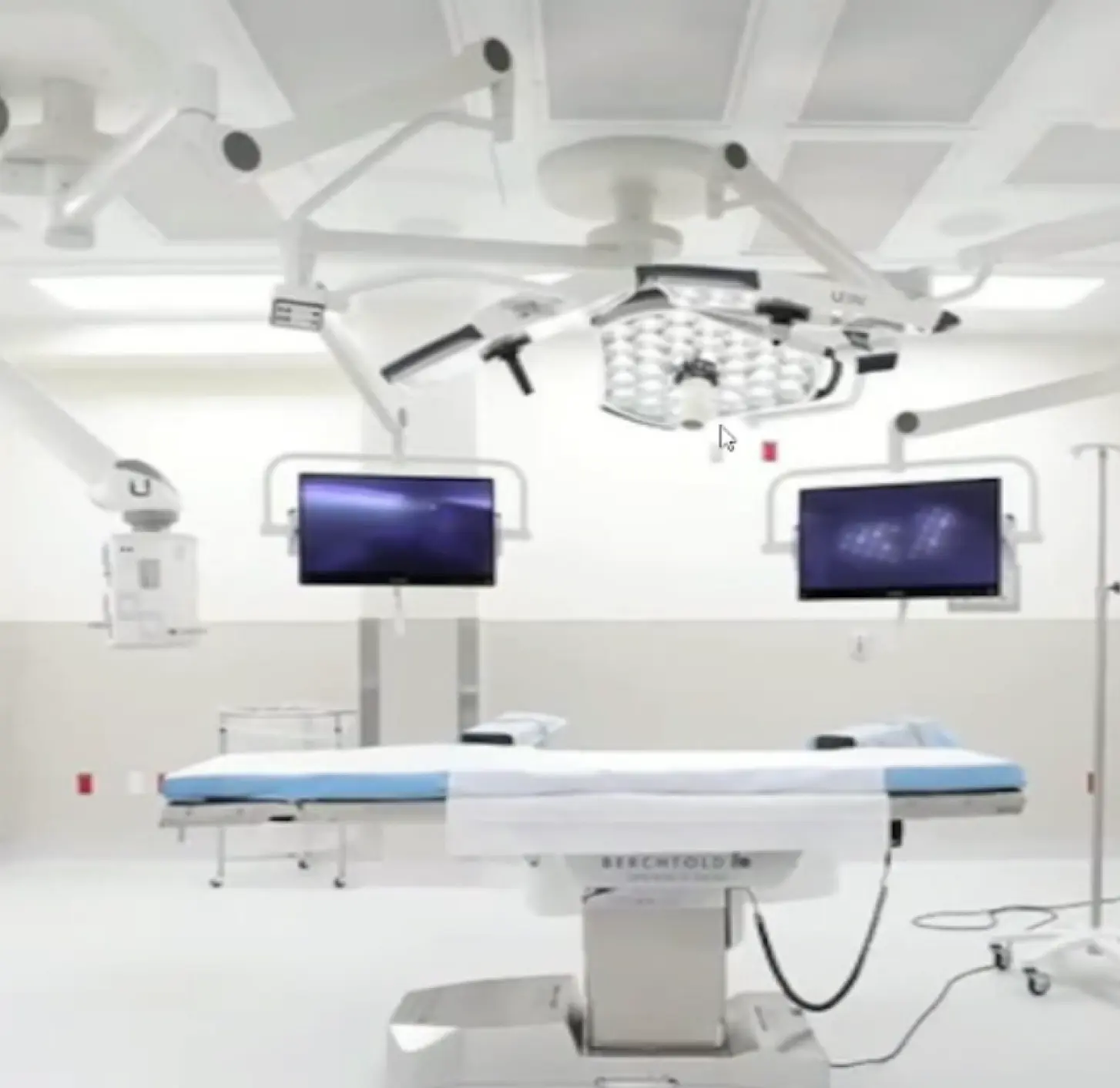
Techversol engineered a robust 3D configurator for a leading medical equipment provider in Texas, USA, designed to seamlessly unify room layout planning, equipment placement, and real-time quotation generation within a single interactive platform. By transforming a traditionally manual and fragmented process into an intelligent, visual experience, the solution significantly reduced errors, accelerated proposal turnaround times, and created a direct bridge between product marketing and sales empowering teams to move faster and sell smarter.
The result was more than a visualization tool. It became a practical sales and planning system that helped internal teams and selected end users configure medical spaces, validate equipment placement, reduce manual errors, and move from product marketing to quotation much faster.
This solution is designed for companies dealing with complex equipment sales, including medical suppliers, industrial manufacturers, and engineering solution providers.
This project is a strong example of the kind of 3D product configurator systems we can build for medical, industrial, and large-scale production environments where products are complex, spatially constrained, and tightly connected to the sales process.
Turn your catalog into an interactive sales tool- modernize planning, simplify quotations, and deliver clear, compelling product experiences.
The client, operating across healthcare facilities in Taxes, USA. worked between equipment manufacturers and hospitals. Their team sourced specialized equipment from vendors and helped hospitals plan, position, and install it in real environments.
Traditional planning methods relied heavily on static documents, manual quotation work, and 2D design approximations. Those methods could show where equipment might go, but they could not reliably answer practical questions around spatial fit, movement constraints, safe clearances, or how the final room would actually look.
For the client, this slowed down proposals, created room for layout mistakes, and made it harder for both internal teams and hospital-side stakeholders to confidently approve solutions.
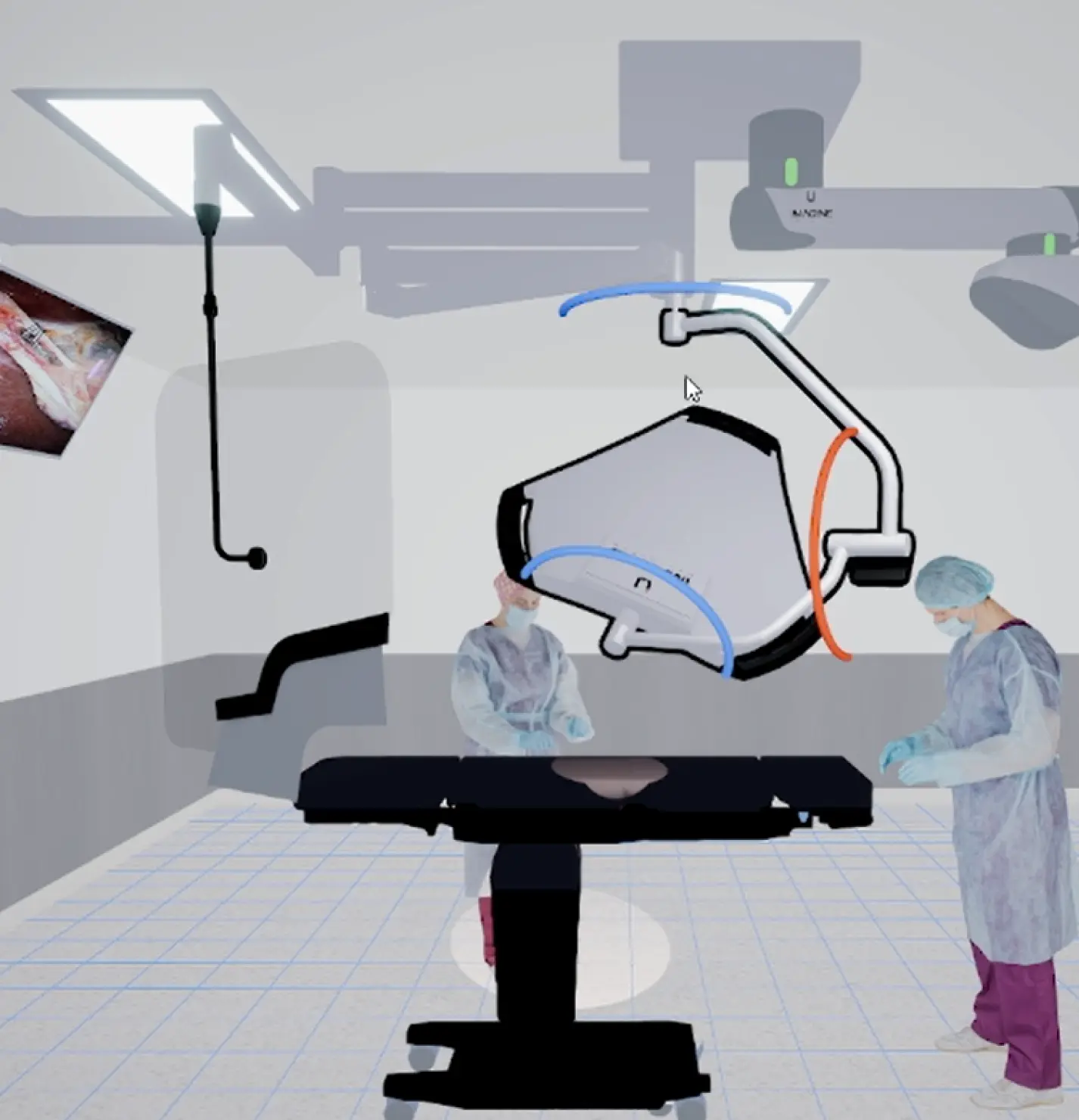

The goal was to build a cross-platform-ready enterprise desktop configurator that would help the client’s team and selected end users configure rooms visually in 3D, validate movement and spacing, and automatically generate quotation documents with both technical and commercial detail.
In short, the product needed to function as both a planning engine and a sales enablement tool.

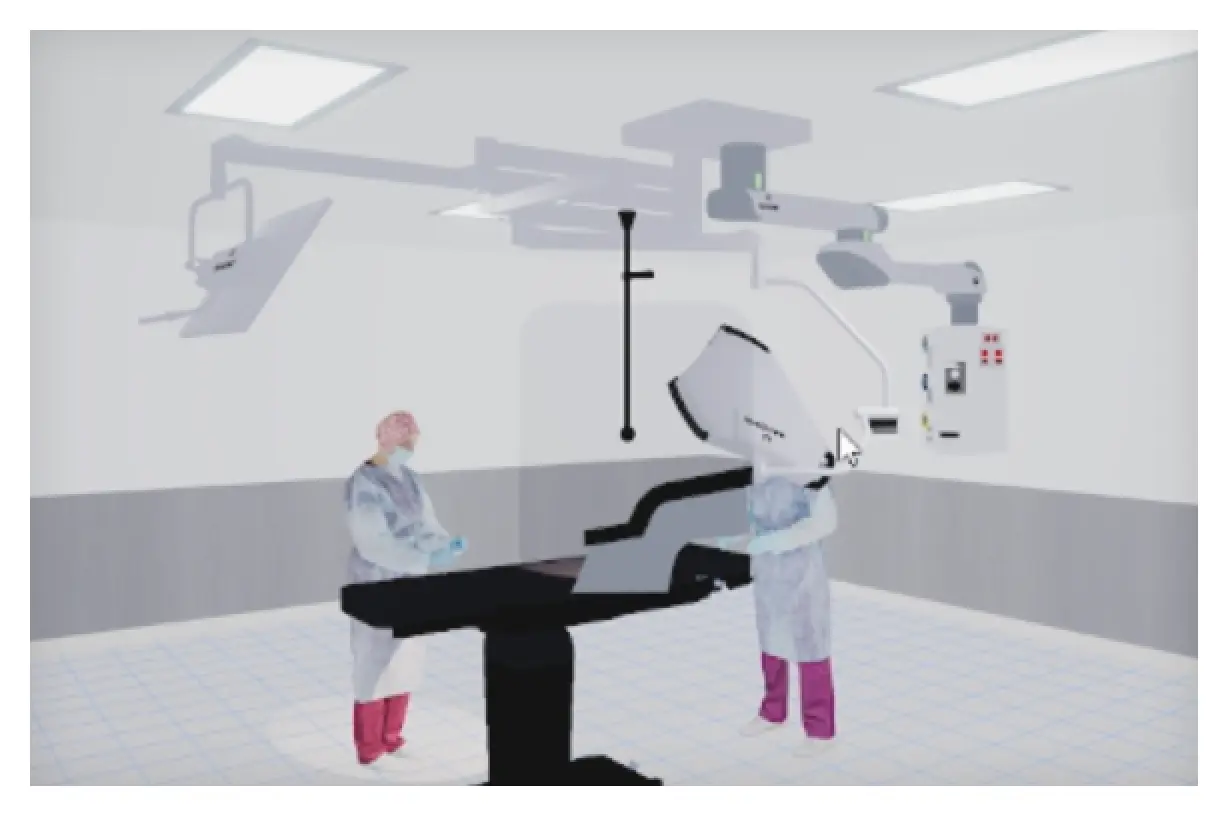
We designed and developed a custom 3D medical equipment configurator from scratch, with reusable foundations that can support future white-label or multi-client expansion.
The application allowed users to configure specialized spaces using a library of equipment and room elements, then review those decisions through interactive layouts and quotation outputs.

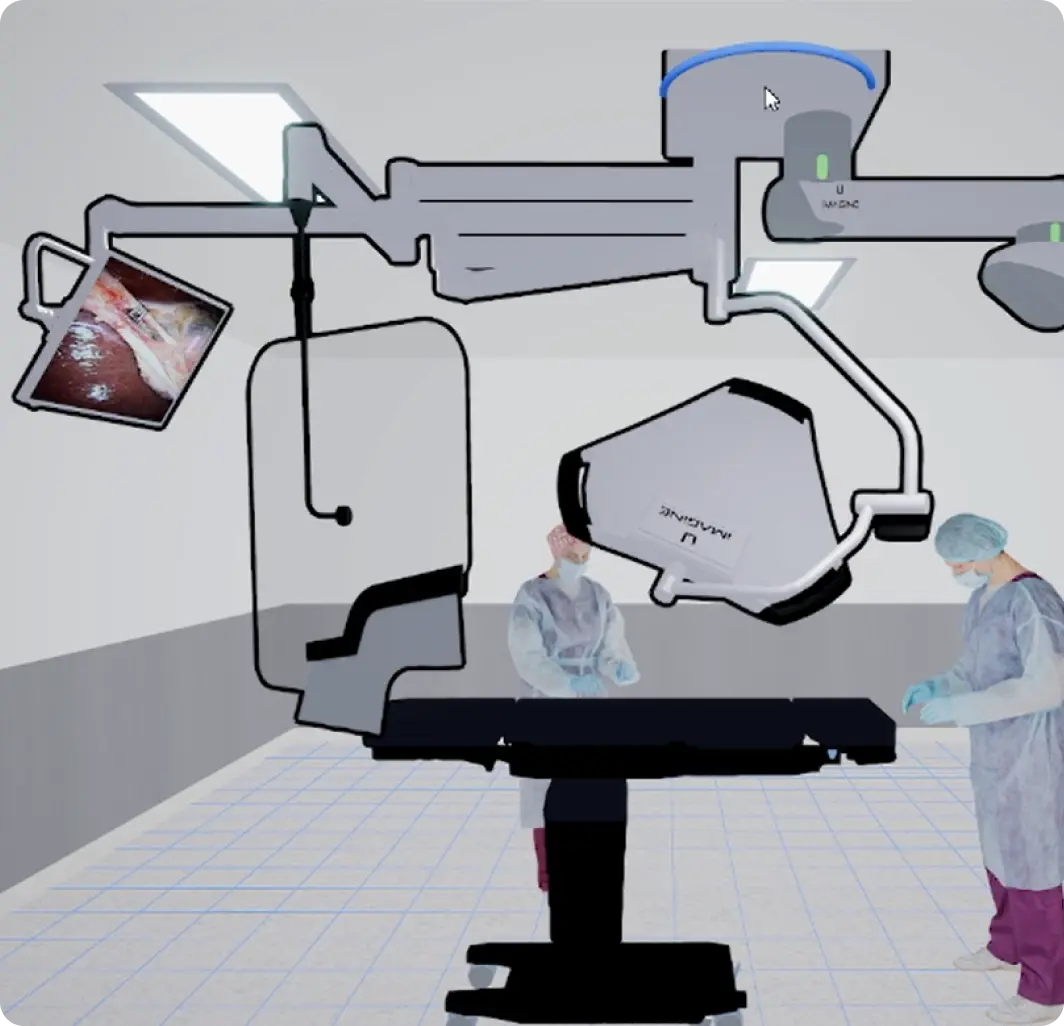
Users could assemble a room using configurable medical equipment and supporting components, then review the result in an interactive 3D environment. The configurator included drag and-drop placement, snapping, 2D and 3D views, room dimension handling, and live scene review for presentations and approvals.
Many medical products are not static objects. They rotate, extend, pivot, and operate within physical limits. We built logic for collision checks, movement-aware positioning, equipment-to-equipment constraints, proximity validation, and rules that prevented unrealistic or impractical configurations.
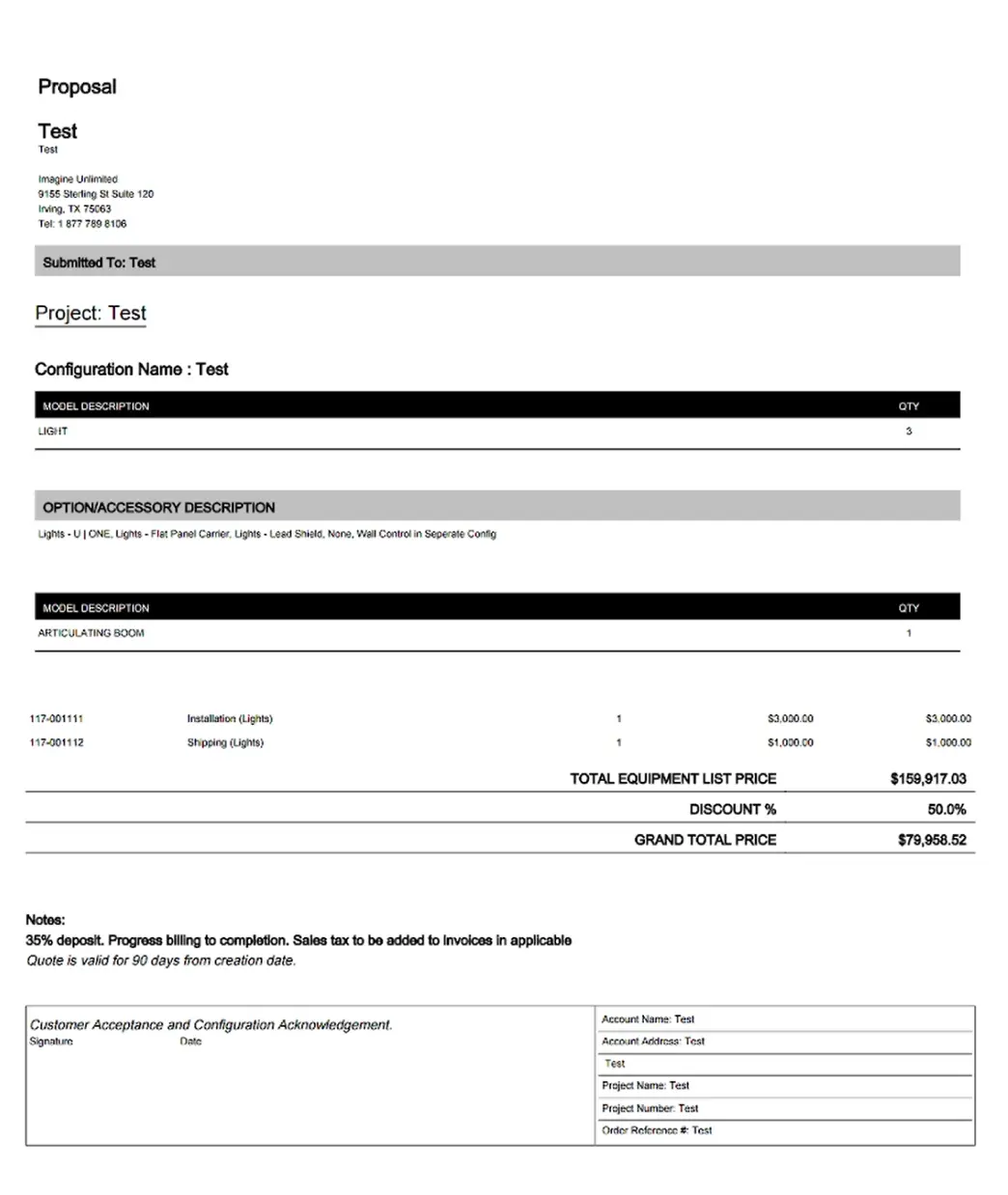
The configurator did not stop at layout planning. It also supported the commercial side of the process by generating detailed PDF outputs with equipment lists, quantities, pricing, discounts, 2D layouts, 3D previews, room dimensions, and client-ready quotations.
internal teams and hospital users configured rooms independently, increasing efficiency by 80%
Many medical products are not static objects. They rotate, extend, pivot, and operate within physical limits. We built logic for collision checks, movement-aware positioning, equipment-to-equipment constraints, proximity validation, and rules that prevented unrealistic or impractical configurations.
The configurator did not stop at layout planning. It also supported the commercial side of the process by generating detailed PDF outputs with equipment lists, quantities, pricing, discounts, 2D layouts, 3D previews, room dimensions, and client-ready quotations.
Internal teams and hospital users configured rooms independently, increasing efficiency by 80%.
Users could assemble a room using configurable medical equipment and supporting components, then review the result in an interactive 3D environment. The configurator included drag and-drop placement, snapping, 2D and 3D views, room dimension handling, and live scene review for presentations and approvals.
Many medical products are not static objects. They rotate, extend, pivot, and operate within physical limits. We built logic for collision checks, movement-aware positioning, equipment-to-equipment constraints, proximity validation, and rules that prevented unrealistic or impractical configurations.
The configurator did not stop at layout planning. It also supported the commercial side of the process by generating detailed PDF outputs with equipment lists, quantities, pricing, discounts, 2D layouts, 3D previews, room dimensions, and client-ready quotations.
Internal teams and hospital users configured rooms independently, increasing efficiency by 80%
Teams could work from a single configuration workflow instead of coordinating across multiple disconnected tools.
Reduced proposal creation time by up to 50–70%
Buyers could review room layouts visually and understand what was being quoted in a much clearer format.
3D visualizations increased stakeholder decision confidence by 60%
The 3D environment made it easier to catch spacing, placement, and movement issues earlier.
Collision detection reduced errors by 40%
The system connected product configuration directly to sales conversations and proposal generation.
It replaced large parts of the manual planning and quotation workflow.
At Techversol, we delivered the product as a team across product engineering, Unity development, full-stack development, and 3D production.
Together, we handled the system from the ground up, including product engineering, application architecture, data modeling, database design, configurator logic, equipment rules and constraints, PDF and quotation workflows, performance optimization, deployment setup, and 3D asset integration.
This was not a template-based build. It was a custom product designed around the client’s business process and long-term commercial use.

Unity / real-time 3D application architecture

C#

Local database support

JSON-driven data structures
Backend/API-ready architecture
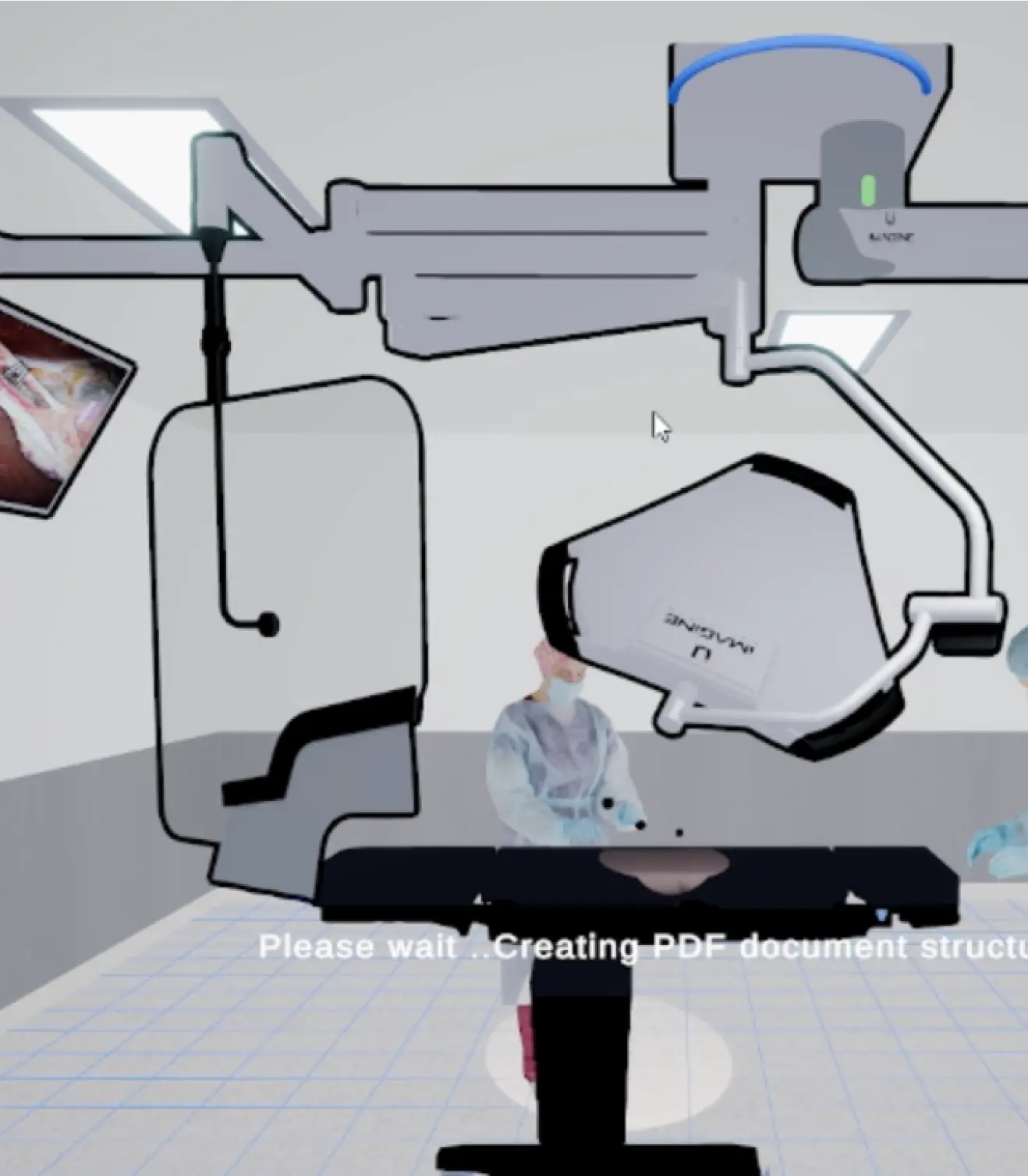
This configurator helped transform a traditionally manual process into a more structured and scalable product workflow. It enabled the client to accelerate proposal creation, improve presentation quality, reduce design and quotation friction, support both internal teams and client-side users, and strengthen the link between product marketing and sales execution.
For organizations selling complex physical systems, that matters. A better buying experience often starts long before the final contract. It starts with how clearly the product can be explored, configured, visualized, and priced.
This approach is especially valuable for
This project was built as a custom solution, but with reusable foundations that support future expansion.
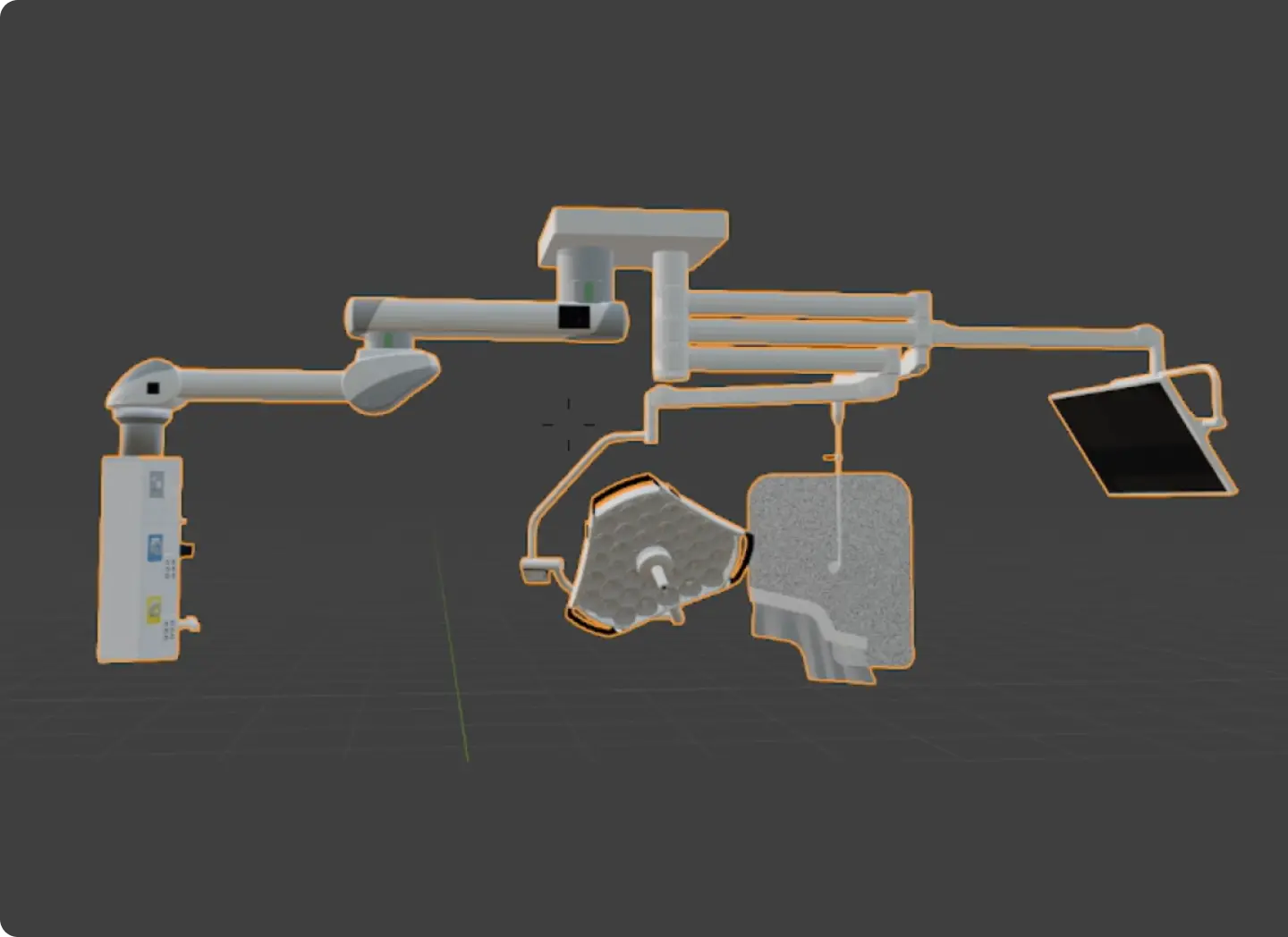
This project shows how a well-designed configurator can do far more than arrange objects in 3D. It can help businesses market complex products more effectively, shorten the path from interest to quotation, reduce manual planning and pricing work, create better client presentations, modernize sales workflows, and turn a static catalog into an interactive decision-making tool.
That is the real value of a custom configurator: it connects product complexity with commercial clarity.
Build a custom configurator with Techversol. Modernize your sales workflow and Turn your catalog into an interactive sales tool.

 Optimized by Seraphinite Accelerator