Do you know how digital twin technology is transforming industries, especially healthcare? This cutting-edge innovation creates virtual replicas of physical systems, enabling real-time simulations and predictive insights. From personalized treatments to optimized hospital operations, the benefits of digital twin technology are revolutionizing how we approach patient care and medical advancements. In this blog, we’ll explore how digital twins are reshaping healthcare, improving precision, efficiency, and innovation, and paving the way for a smarter, healthier future.
What is a digital twin?
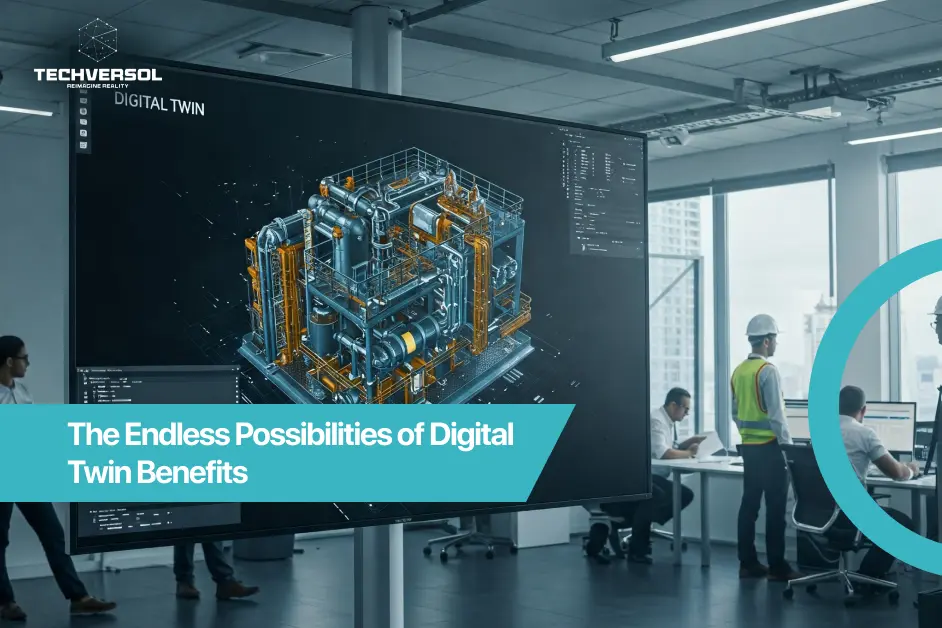
A digital twin is a virtual replica of a physical object, system, or process. For a digital twin company, it uses real-time data to simulate, monitor, and optimize performance. By providing insights and predictive analytics, digital twins enable better decision-making, efficiency, and innovation across industries like healthcare, manufacturing, and urban planning.
What Are Digital Twins in Healthcare?
Digital twins in healthcare are virtual models replicating real-world systems, organs, or even entire patients. These advanced simulations use data from medical devices, patient records, and sensors to create precise digital replicas. They allow doctors to predict health outcomes, test treatments, and personalize care without impacting the patient directly. For example, a digital twin of a heart can help plan surgeries or monitor conditions. The pros of digital twin in healthcare include improved diagnosis, reduced medical errors, and cost savings. This innovative approach transforms patient care and enables more efficient, accurate, and proactive healthcare solutions.
A digital twin use case involves creating a virtual replica of a physical asset, such as a machine or patient, to simulate, monitor, and optimize performance, maintenance, or decision-making processes.

Ready to enhance healthcare with digital twins?
Get in touch to start your project today!
The Key Benefits of Digital Twin in Healthcare
The benefits of digital twin technology in healthcare are transforming patient care by enabling precise simulations, personalized treatments, and real-time monitoring, paving the way for innovative and efficient medical advancements.
Personalized Treatment Plans
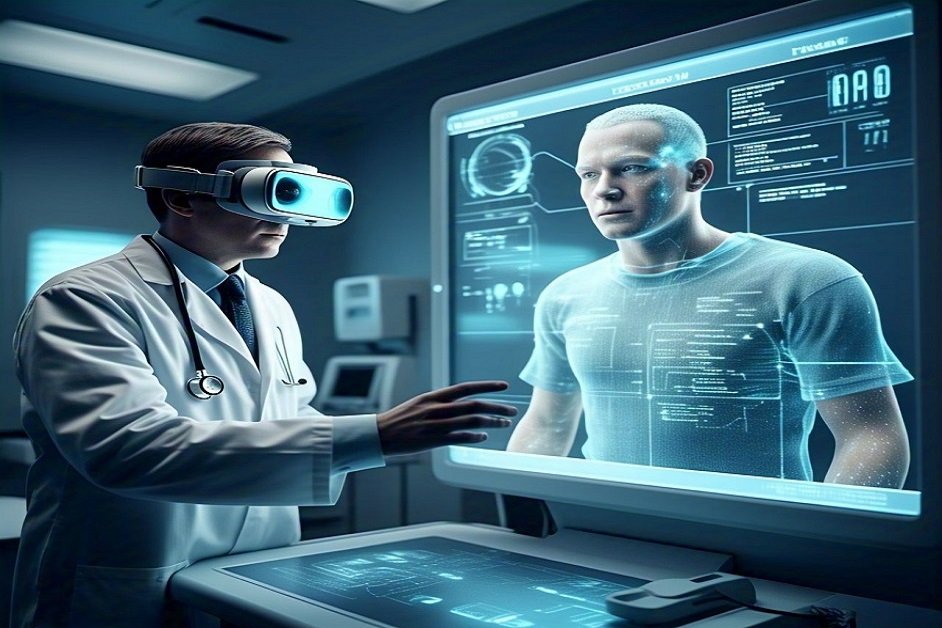
One of the primary benefits of digital twin technology in healthcare is its ability to create personalized treatment plans. By using real-time patient data, digital twins simulate an individual’s health condition to predict how they will respond to treatments. This helps doctors tailor medications, therapies, and procedures to meet each patient’s unique needs. Personalized care leads to better health outcomes, reduced trial-and-error, and increased patient satisfaction.
Enhanced Disease Prevention: Predicting and Preventing Illnesses
The benefits of digital twin in healthcare extend to predicting and preventing diseases before they occur. By analyzing a patient’s genetic, lifestyle, and medical data, digital twins identify potential health risks and suggest preventive measures. For example, digital twins can simulate the progression of chronic conditions like diabetes or heart disease, allowing early intervention. This proactive approach significantly improves public health and reduces the burden of managing advanced illnesses.
Improved Surgical Precision: Revolutionizing Operating Rooms
Among the notable benefits of digital twin technology is its application in improving surgical precision. Surgeons can use digital twins to practice procedures virtually, minimizing risks and errors during actual operations. For instance, a digital twin of an organ enables surgeons to visualize challenges and rehearse complex techniques. This technology enhances surgical outcomes, shortens recovery times, and boosts patient safety, especially in high-risk or intricate surgeries.
Accelerated Drug Development: Transforming Clinical Trials
The pharmaceutical industry is leveraging the benefits of digital twin in healthcare to accelerate drug development. By simulating human physiology, digital twins help researchers test new drugs and treatments without lengthy and costly clinical trials. They can model various scenarios to understand drug effectiveness and potential side effects. This approach speeds up the drug approval process, reduces costs, and brings life-saving medications to patients faster than traditional methods.
Real-Time Patient Monitoring

Another critical benefit of digital twin technology is its use in real-time patient monitoring. For patients with chronic conditions, digital twins continuously track health metrics through IoT devices like wearable sensors. These simulations detect abnormalities and alert healthcare providers immediately, enabling swift action. This real-time insight enhances disease management, reduces hospital visits, and empowers patients to take control of their health with timely interventions and personalized recommendations.
Cost Efficiency in Healthcare: Reducing Unnecessary Expenses
The benefits of digital twin in healthcare include significant cost savings for both patients and healthcare providers. Digital twins reduce the need for unnecessary procedures and hospital readmissions by enabling accurate diagnoses and efficient treatment plans. They optimize resource allocation, such as minimizing equipment downtime or preventing complications during surgeries. Additionally, these cost efficiencies make advanced healthcare solutions accessible to more patients, improving overall health system sustainability.
Maximize healthcare efficiency and reduce costs with digital twins.
Reach out now to get started!
Enhanced Collaboration and Data Sharing
The benefits of digital twin in healthcare extend to improving collaboration across healthcare teams. Digital twins allow multiple specialists to work together on a patient’s virtual model, sharing insights and developing comprehensive treatment plans. Cloud-based digital twin platforms enable seamless data sharing between hospitals, researchers, and clinicians worldwide. This enhanced collaboration fosters innovation, improves patient outcomes, and accelerates medical advancements on a global scale.
Training and Education for Healthcare Professionals
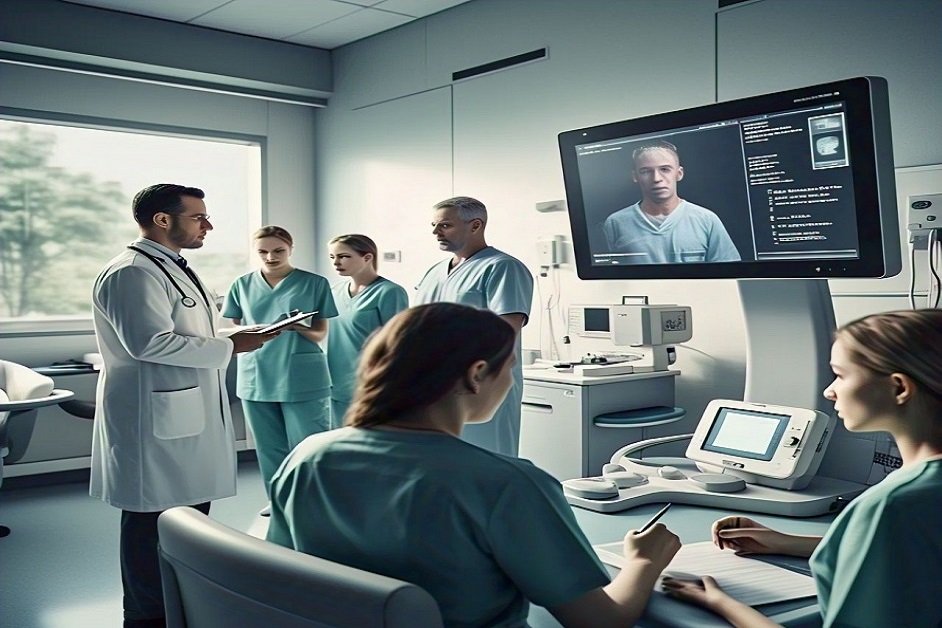
Digital twin technology also offers substantial benefits of digital twin technology in training and education. Medical professionals can use digital twins to practice complex procedures, learn new techniques, and understand rare conditions without risk to real patients. These simulations provide hands-on experience in a controlled, virtual environment. As a result, healthcare professionals gain confidence and improve their skills, ultimately enhancing the quality of care delivered to patients.
Optimized Hospital Operations: Efficiency and Safety
Hospitals are leveraging the benefits of digital twin technology to optimize operations and improve safety. For instance, digital twins of healthcare facilities can simulate patient flow, staffing, and resource allocation. This helps administrators identify inefficiencies and enhance hospital management. Digital twins also monitor equipment performance, predicting maintenance needs and preventing downtime. These operational efficiencies ensure better patient care and a safer environment for both patients and staff.
Technologies Used in These Simulations: Digital Twins in Healthcare
Digital twins in healthcare leverage cutting-edge technologies to simulate medical systems and patient conditions with unprecedented accuracy. These technologies enable better decision-making, enhance operational efficiency, and improve patient outcomes. Below, we explore the key technologies driving these simulations and their applications in the healthcare industry.
Artificial Intelligence and Machine Learning
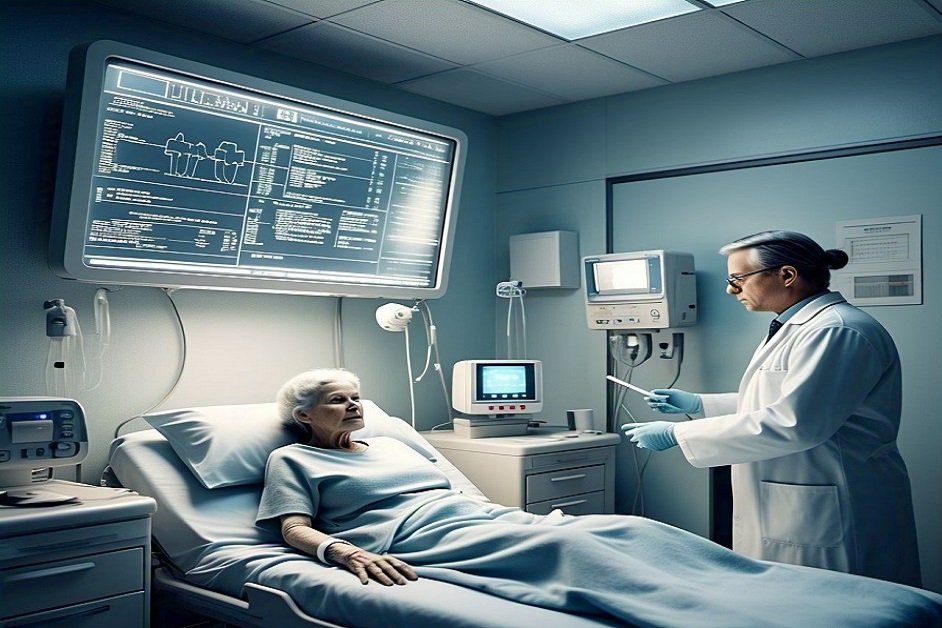
Artificial Intelligence (AI) and Machine Learning (ML) are at the core of digital twin simulations. These technologies process massive datasets to identify patterns, predict outcomes, and optimize healthcare processes. AI-driven digital twins can simulate patient responses to treatments, helping clinicians choose the best interventions. The benefits of digital twin technology include reducing trial-and-error approaches and providing precision medicine tailored to individual patients.
Internet of Things (IoT) Devices
IoT devices are critical for feeding real-time data into digital twin models. Wearable health monitors, remote patient monitoring devices, and hospital equipment sensors continuously capture patient vitals, environmental conditions, and equipment status. This data integration ensures that digital twins provide an up-to-date reflection of physical systems. By using IoT-driven digital twins, healthcare providers can enjoy the benefits of digital twin technology, such as early detection of potential health issues and improved equipment maintenance.
A digital twin services addresses challenges like inefficiency, downtime, and unpredictability. It provides real-time insights, allows accurate simulations, improves processes, and supports better decision-making in industries like healthcare, manufacturing, and logistics.
Cloud Computing
Cloud computing serves as the backbone of digital twin infrastructure, offering the storage and computational power needed to manage extensive data. This platforms enable healthcare providers to create scalable digital twin solutions that can be accessed and updated in real time.
The benefits of digital twin systems are amplified with cloud technology, ensuring secure collaboration between medical teams and easy access to data from anywhere in the world.
Big Data Analytics
The vast amounts of healthcare data generated by medical devices, patient records, and clinical trials require sophisticated analysis to be useful. Big data analytics enables digital twins to process and interpret this information, providing actionable insights for patient care and medical research. With big data analytics, the benefits of digital twin technology include more accurate predictions, personalized treatment plans, and advanced population health management.
3D Imaging and Visualization
Advanced 3D imaging and visualization tools are essential for creating detailed digital replicas of human anatomy and medical devices. These tools enable healthcare providers to simulate complex procedures, study organ behavior, and improve surgical planning. The benefits of digital twin technology are evident in applications like virtual surgeries, where realistic 3D models enhance the precision and safety of operations.
Simulation Software
Simulation software is a cornerstone of digital twin technology, enabling healthcare professionals to replicate scenarios and predict outcomes. This software incorporates data from various sources, including IoT devices and patient records, to create highly accurate virtual models. The benefits of digital twin simulations include the ability to test new treatments and procedures without risking patient safety, ultimately leading to better clinical outcomes.
Blockchain for Data Security
Blockchain technology ensures the secure storage and sharing of healthcare data used in digital twin models. By providing an immutable and transparent ledger, blockchain enhances data integrity and privacy. This is particularly important for maintaining patient trust and complying with regulatory requirements. The benefits of digital twin systems incorporating blockchain include secure collaboration among stakeholders and reduced risks of data breaches.
Robotics and Automation
Robotics and automation technologies complement digital twins by enabling precise execution of simulated actions in the real world. For instance, robotic surgery systems use data from digital twins to perform minimally invasive procedures with greater accuracy. The integration of robotics amplifies the benefits of digital twin technology, such as improved surgical outcomes and reduced recovery times for patients.
Augmented and Virtual Reality (AR/VR)
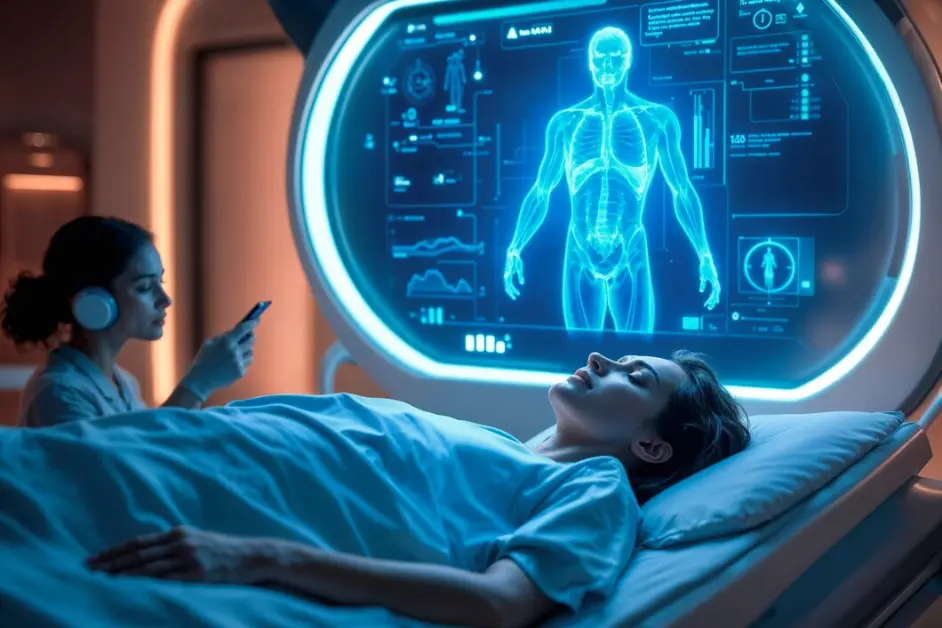
AR and VR technologies enhance the interactivity and realism of digital twin models. These tools allow healthcare providers to visualize and interact with digital twins in immersive environments, making it easier to understand complex medical data. The benefits of digital twin systems using AR/VR include better training for medical staff, improved patient education, and more effective planning for surgeries and treatments.
Genomics and Personalized Medicine
Digital twins integrate genomic data to provide insights into how a patient’s unique genetic makeup influences their health. This integration enables personalized medicine, where treatments are tailored to an individual’s specific needs. By leveraging genomic data, healthcare providers can unlock the benefits of digital twin technology, such as predicting disease susceptibility and optimizing therapeutic interventions.
Future of Digital Twins in Healthcare
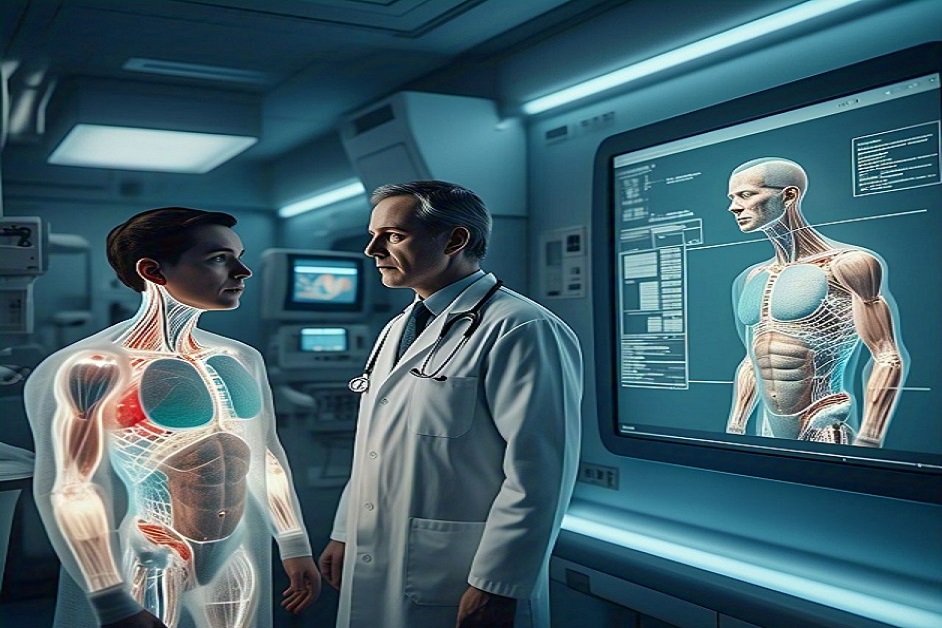
The future of digital twin technology in healthcare is promising, with innovations expected to reshape the industry further. As this technology continues to evolve, it holds immense potential for improving patient outcomes, streamlining operations, and advancing medical research. Below are the key trends and possibilities that define the future of digital twins in healthcare.
Enhanced Personalization in Patient Care
Digital twins are expected to take personalized medicine to new heights. By integrating patient-specific data, including genomics, medical history, and real-time health metrics, digital twins will enable hyper-personalized treatment plans. In the future, healthcare providers may simulate treatment options on a patient’s digital twin to determine the most effective course of action without risk, ultimately improving precision and outcomes.
Integration with Predictive Analytics
The future of digital twins in healthcare will see greater integration with predictive analytics tools. Advanced algorithms will allow healthcare providers to forecast disease progression, predict complications, and identify potential health risks. This capability will not only help with early intervention but also reduce hospital readmissions and healthcare costs, making patient care more proactive and preventive.
Digital Twins for Population Health Management
Beyond individual care, digital twins will play a significant role in population health management. By aggregating and analyzing data from multiple digital twins, healthcare systems can identify trends, manage resources effectively, and address public health challenges such as pandemics. This large-scale application of digital twins will enhance healthcare systems’ ability to plan and respond to emerging health crises.
Yes, digital twins often use AI to analyze data, predict outcomes, and optimize performance. AI used by any Digital Twin Company enhances digital twins by enabling real-time simulations, identifying patterns, and making data-driven decisions for improved efficiency and accuracy.
Revolutionizing Medical Training and Education
Digital twin technology is set to transform medical training by offering immersive, risk-free learning environments. Future medical professionals will use virtual replicas of human anatomy to practice procedures, study disease progression, and simulate emergency scenarios. This hands-on training approach will improve skills and confidence among healthcare workers, leading to better patient care.
Advanced Integration with AI and Robotics
In the coming years, digital twins will integrate more deeply with AI and robotic systems. AI will provide enhanced data analysis capabilities, while robotics will execute precise, data-driven procedures informed by digital twins. For example, robotic surgeries will leverage real-time feedback from digital twin simulations to achieve unparalleled accuracy and efficiency.
Virtual Clinical Trials and Drug Development
Digital twins will revolutionize the pharmaceutical industry by enabling virtual clinical trials. Instead of testing drugs on human participants, researchers will use digital twins to simulate drug interactions, side effects, and efficacy. This approach will accelerate drug development, reduce costs, and minimize ethical concerns, paving the way for faster access to life-saving medications.
Predictive Maintenance of Medical Equipment
In addition to improving patient care, digital twins will also be used for predictive maintenance of medical equipment. Hospitals will create digital replicas of machines, such as MRI scanners and ventilators, to monitor their performance and predict potential failures. This will minimize downtime, optimize equipment usage, and reduce costs, ensuring a more efficient healthcare system.
Expanding Use of Telemedicine
As telemedicine continues to grow, digital twins will play a crucial role in virtual consultations and remote care. Patients’ digital twins can be accessed by doctors for real-time updates on health conditions, allowing for accurate diagnoses and treatment recommendations without requiring physical visits. This will expand healthcare access to underserved regions and improve convenience for patients worldwide.
Tackling Global Health Challenges
Digital twin technology will contribute to solving global health challenges, such as managing infectious diseases and addressing healthcare disparities. By analyzing aggregated data from digital twins across populations, researchers can model the spread of diseases, develop targeted interventions, and allocate resources more effectively. This large-scale application will be instrumental in tackling future health crises.
Ethical and Regulatory Advancements
As digital twin technology advances, there will be a growing need for ethical guidelines and regulatory frameworks to govern its use. The future will likely bring increased focus on patient data privacy, security, and consent in digital twin applications. These advancements will help ensure that the technology is used responsibly while maintaining trust between patients and healthcare providers.
Blog Summary
All in all, the benefits of digital twin technology are revolutionizing industries, particularly healthcare, by enabling accurate simulations, personalized solutions, and predictive insights. From improving patient care and operational efficiency to advancing research and training, digital twins are redefining how challenges are approached and solved. As technology evolves, its integration with AI, IoT, and robotics will further expand its impact, fostering innovation and efficiency across sectors. Embracing digital twins ensures a future of smarter, data-driven decisions, transforming industries and enhancing lives worldwide. The possibilities are limitless with this groundbreaking technology.
FAQs
What are the four types of digital twins?
The four types of digital twins are component twins (individual parts), asset twins (entire systems), system twins (connected assets), and process twins (complete workflows or processes).
What is another name for a digital twin?
Another name for a digital twin is a virtual replica or digital model, as it represents a real-world object, system, or process in a digital simulation.
What is the difference between a virtual twin and a digital twin?
A virtual twin visualizes an object for design or simulation, while a digital twin integrates real-time data to replicate and monitor the physical counterpart’s behavior and performance.
What language is used in a digital twin?
Languages used in digital twin development include Python, Java, C++, and MATLAB, depending on the platform, application, and integration with IoT or AI systems.