In the fast-paced world of technology and innovation, the terms Silico Modeling and Digital Twin have gained significant momentum. These concepts are not just buzzwords but are paving the way for breakthrough solutions in industries such as manufacturing, healthcare, engineering, and even urban planning. But what do they actually mean? How do they differ, and why are they becoming indispensable in driving technological advancements?
Welcome to a deep dive into the world of Silico Modeling and Digital Twin technology. This blog will figure out these concepts in a way that’s engaging, insightful, and easy to understand. Whether you’re a tech enthusiast, a business leader, or just curious about the future of innovation, this blog will offer you everything you need to know.
Silico Modeling: The Power of Simulation in the Digital Era
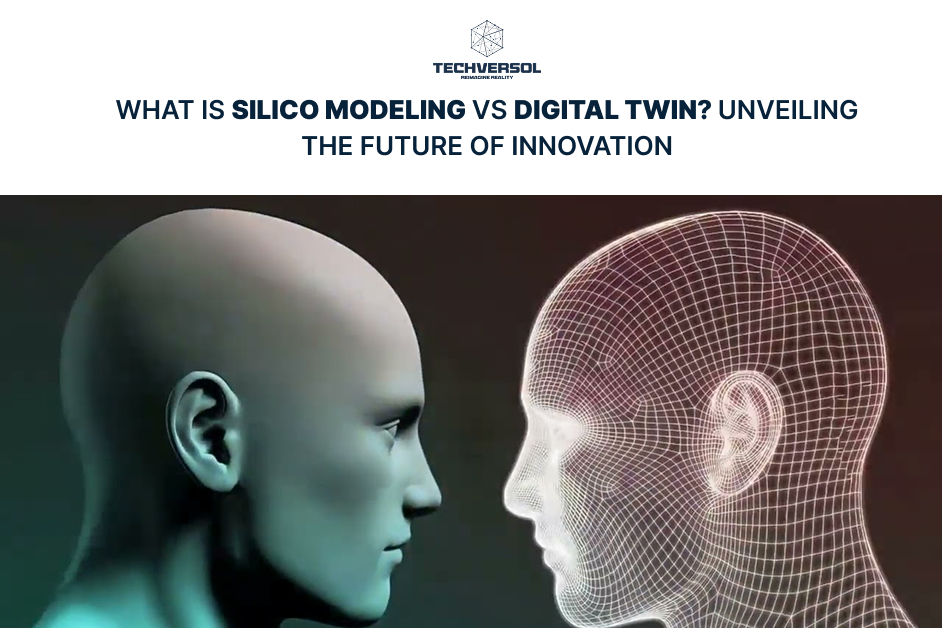
Before we jump into the world of Digital Twins, let’s first take a moment to understand what Silico Modeling is. Often associated with in silico (Latin for “in silicon”), Silico Modeling refers to the use of computer simulations to emulate real-world phenomena. It’s essentially the process of creating digital models that mimic the behavior and characteristics of physical objects, systems, or processes.
Applications of Silico Modeling
Silico Modeling is widely used across various industries such as healthcare, engineering, and aerospace. In healthcare, for example, it allows for virtual simulations of drug interactions or disease progression. In engineering, it can be used for simulating stress testing on materials or analyzing airflow dynamics in aircraft design. The ability to model complex systems without building physical prototypes significantly reduces costs and speeds up the design and testing processes.
Think of it as using technology to recreate the real world virtually, with the purpose of testing, optimizing, and refining ideas before they become physical realities.
How Does Silico Modeling Work?
At its core, Silico Modeling involves creating a digital representation of a physical system using computational tools and software. These models are constructed by defining the key parameters, variables, and rules that govern how the real-world system behaves. For example:
- In Healthcare: Silico Modeling might be used to simulate the behavior of molecules, proteins, or even the human body to predict outcomes for specific medical treatments.
- In Engineering: Engineers may use Silico Modeling to simulate stress tests on a bridge, car frame, or even aerodynamics in flight simulations.
The goal is to provide insight into how systems will perform without actually building them. This predictive capability makes Silico Modeling an essential tool for innovation in industries such as pharmaceuticals, automotive, energy, and aerospace.
The Benefits of Silico Modeling
- Cost Efficiency: By simulating real-world scenarios, companies can test multiple iterations and models without the financial burden of physical prototypes.
- Speed and Agility: Silico Modeling accelerates the process of experimentation, allowing for rapid iteration and improvement of designs.
- Risk Reduction: Predicting failures and troubleshooting potential issues virtually helps minimize risks in the real-world implementation.
In essence, Silico Modeling offers companies a sandbox to experiment with ideas, test theories, and predict future outcomes. It’s a vital tool for anyone looking to simulate complex systems in a controlled environment.

Optimize your research with cutting-edge silico modeling solutions. Connect with our experts now!
What is a Digital Twin? The Bridge Between the Physical and Digital Worlds
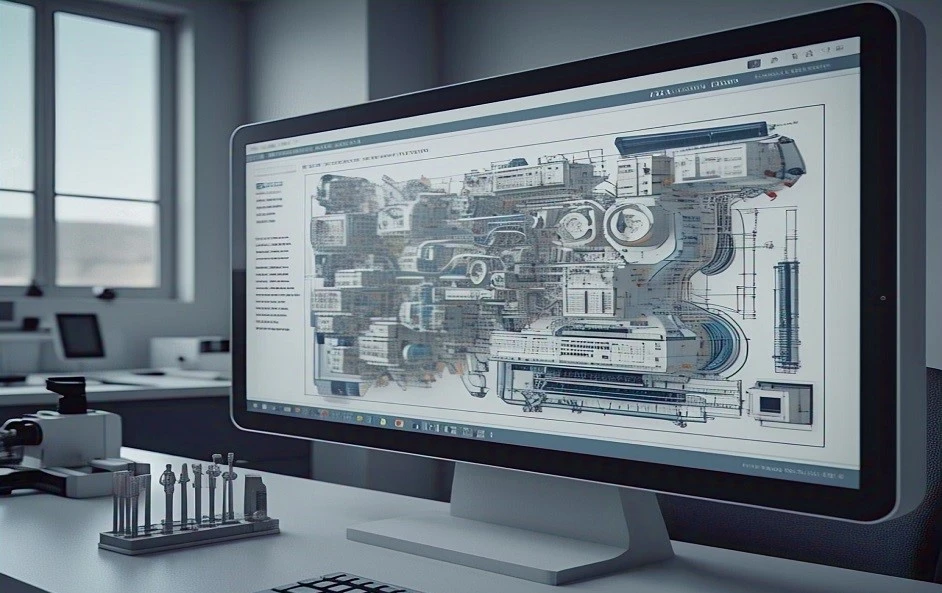
Now that we have a firm grasp on Silico Modeling, let’s dive into Digital Twin technology. If Silico Modeling is about simulating reality digitally, then a Digital Twin is the digital counterpart of a real-world object or system. A Digital Twin is a dynamic virtual replica that mirrors the behavior, appearance, and properties of a physical object or system throughout its lifecycle. Leading digital twin company like Techversol are paving the way for innovations in this space, helping industries create accurate digital replicas of their physical assets for improved performance and efficiency.
- Is Digital Twin an IoT?
A Digital Twin is not exactly the same as the Internet of Things (IoT), but they are closely related and often work together.
The Connection Between IoT and Digital Twin
While IoT refers to the network of connected devices that collect and exchange data, a Digital Twin is the virtual model created from that data. IoT devices provide the data that powers the Digital Twin, allowing the virtual model to update in real-time, giving businesses insights into the behavior of physical assets.
How Does a Digital Twin Work?
A Digital Twin operates by continuously receiving data from its physical counterpart, typically through sensors or IoT devices, that provide real-time feedback about how the physical system is performing. This data is fed into the digital model, allowing it to evolve and adapt as conditions change in the real world. This interaction creates a feedback loop where the physical and digital worlds are in sync.
For example:
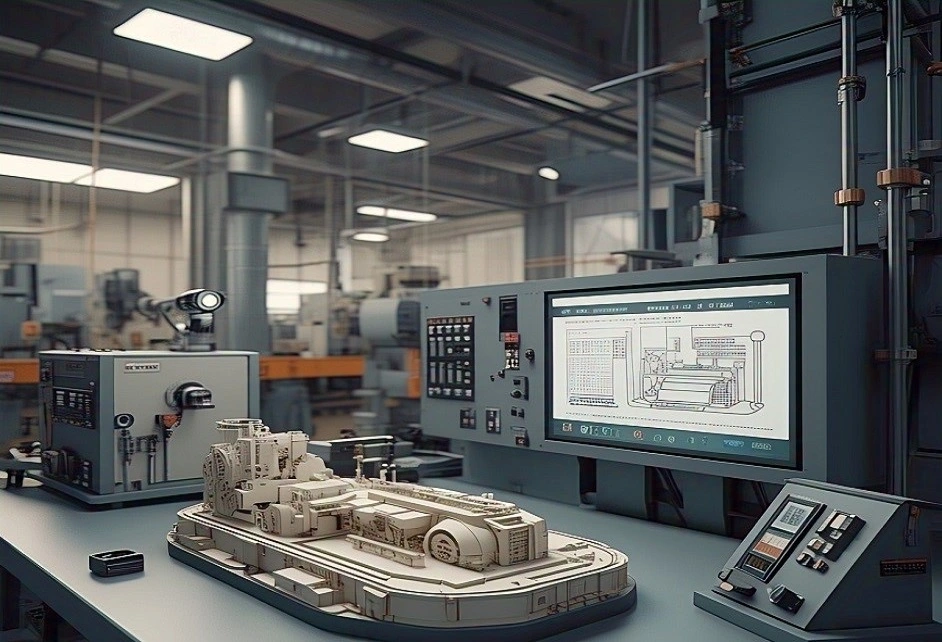
- In Manufacturing: A Digital Twin could represent an industrial machine, continuously updating with performance data like temperature, speed, and maintenance needs. This data helps predict wear and tear, schedule maintenance, or even optimize performance.
- In Smart Cities: A Digital Twin could represent an entire city, using data from traffic sensors, energy grids, and public services to manage resources, optimize traffic flow, and enhance sustainability.

- Does Tesla Use Digital Twins?
Yes, Tesla utilizes Digital Twin technology to enhance vehicle performance and manufacturing. It tracks vehicle health, battery usage, and maintenance, while simulating conditions for updates that improve driving features and overall efficiency.
The primary strength of a Digital Twin lies in its ability to mirror real-time changes in its physical counterpart. This feedback loop between physical and virtual gives businesses and engineers a live view of how things are operating in the real world, allowing for smarter decision-making and predictive capabilities.
The Benefits of Digital Twin Technology
- Real-time Monitoring: Digital Twins provide live insights into the performance of physical systems, enabling proactive decision-making.
- Predictive Maintenance: By analyzing data patterns, Digital Twins can predict when equipment will fail, leading to better planning and minimized downtime.
- Enhanced Performance: Real-time data allows for continuous optimization, making systems more efficient and productive.
- Innovation Opportunities: With accurate simulations of physical entities, companies can experiment with designs and changes in the digital world before implementing them physically.
Digital Twins enable organizations to create a living, evolving model that helps to understand, predict, and optimize the performance of physical assets in real-time.
Seeking An Affordable Digital Twin Service Provider? Browse Techversol! View Flexible Pricing
- What Is a Real Example of a Digital Twin?
A great example of a real-world application of Digital Twin technology is in smart cities. Cities like Singapore have adopted Digital Twin technology to create a virtual replica of the entire city, which collects real-time data from sensors around the city—such as traffic flow, energy consumption, and air quality. This allows the government to optimize resources, improve traffic management, and respond faster to crises. Through digital twin services, cities are able to enhance their infrastructure management, streamline operations, and make data-driven decisions for better urban planning and sustainability.
Another Example:
In the aerospace industry, companies like General Electric (GE) use Digital Twins to monitor the health of aircraft engines in real-time. These digital models allow engineers to predict when maintenance is required, reducing downtime and improving overall safety.
What Is the Difference Between Virtual Twins and Digital Twins?
| Aspect | Virtual Twin | Digital Twin |
| Definition | A simplified or static model of a physical asset. | A dynamic model that continuously updates based on real-time data. |
| Real-Time Data | Does not incorporate real-time data. | Incorporates real-time data from the physical system. |
| Model Update | Typically does not evolve with the physical asset. | Continuously evolves and mirrors the performance of the physical asset. |
| Purpose | Primarily used for basic simulation or visualization. | Used for ongoing monitoring, analysis, and optimization of performance. |
| Complexity | Simpler, static representation. | More complex, dynamic, and interactive |
What Are the 5 Levels of Digital Twin?
The 5 levels of Digital Twin represent the depth of integration and complexity in how digital replicas are created and used. These levels reflect how much the digital model interacts with its physical counterpart and the insights it can provide.
1. Level 0: No Digital Twin: At this level, there is no digital representation of the physical object or system.
2. Level 1: Digital Twin: At this stage, a basic digital representation of the physical object is created, often a 3D model. It doesn’t interact with the physical object in real-time.
3. Level 2: Digital Twin with Data Integration: Here, the digital twin is connected to the physical system through sensors or other data collection methods. This level enables basic monitoring of the physical asset’s performance.
4. Level 3: Real-Time Interaction: A Digital Twin at this level has real-time feedback, continuously updating based on live data from the physical system. It’s used for things like predictive maintenance and optimization.
5. Level 4: Autonomous Decision-Making: The most advanced level, where the digital twin not only interacts with the real-world system but can make decisions autonomously to optimize performance, recommend maintenance, or predict failures without human input.
What Are the Three Types of Digital Twin?
Digital Twins can be categorized into three types, each serving a distinct purpose in the lifecycle of an object or system.
1. Descriptive Digital Twin
A Descriptive Digital Twin focuses on the basic representation of an object or system. It’s primarily concerned with the static properties of the asset, such as its design, size, and structure. This type of twin is often used during the early design stages.
2. Predictive Digital Twin
The Predictive Digital Twin leverages real-time data and simulation capabilities to predict how a system or asset will behave under various conditions. It enables proactive maintenance and optimization by forecasting future performance.
3. Prescriptive Digital Twin
A Prescriptive Digital Twin not only simulates and predicts but also provides actionable insights. It uses real-time data and simulations to recommend specific actions to improve performance, reduce downtime, or extend the lifecycle of a system.
What are the advantages of using Techversol Digital Twin services?
1. Cutting-Edge Innovation at Your Fingertips
Techversol leads in setting trends with advanced Digital Twin services, providing real-time, accurate virtual replicas of your assets to enhance efficiency, reduce risks, and optimize performance.
2. Seamless Integration for Real-Time Insights
Enhance Digital Twin technology with Techversol, integrating sensor and IoT data for real-time insights, optimizing workflows, tracking performance, and maintaining connections between physical and digital environments.
Real-Time Insights = Flawless Performance With Techversol
3. Empowering Smarter Decision-Making
We provide Digital Twin solutions to enable informed decision-making through real-time asset representation, enhancing efficiency, reducing downtime, and anticipating issues.
4. Tailored Solutions for Every Industry
Techversol provides customized Digital Twin services for various industries, including manufacturing and healthcare, addressing unique challenges with user friendly solutions for effective and efficient outcomes.
5. Maximizing Efficiency & Reducing Costs
Our Digital Twin services boost efficiency by optimizing design, production, and maintenance through real-time monitoring, predictive analytics, and resource optimization.
6. Future-Proof Your Operations
Techversol’s Digital Twin services empower businesses to adapt to emerging technologies, ensuring flexibility and competitiveness in an evolving, digitally-driven market landscape.
7. Trusted Expertise & Proven Results
We excel in Digital Twin technology, providing innovative solutions and fostering partnerships across sectors for measurable results and sustainable business success.
Silico Modeling vs Digital Twin: Understanding the Differences
Now that we’ve explored both Silico Modeling and Digital Twin technologies, let’s break down the key differences:
1. Purpose and Focus
- Silico Modeling focuses on simulating real-world phenomena before they exist in the physical world. It’s about prediction and testing through digital emulation. Think of it as the blueprint for creating something new or testing theories.
- Digital Twin, on the other hand, deals with existing physical systems. It’s a real-time, data-driven digital representation of something that is already in the real world. It continuously updates and evolves to mirror the changes in the physical entity.
2. Data Sources and Real-time Feedback
- Silico Modeling typically relies on theoretical inputs, calculations, and predictive algorithms based on known parameters. While simulations can be incredibly accurate, they are limited to the data provided upfront.
- Digital Twin thrives on real-time data coming from sensors, IoT devices, and other data streams that update the digital model as changes occur in the physical system. It’s a two-way street—data from the physical world continuously informs the virtual model.
3. Flexibility and Application
- Silico Modeling is often used for experimentation, design, and prediction in industries like pharmaceuticals, engineering, and aerospace. It’s about understanding the system and predicting its behavior.
- Digital Twin is primarily used in operational environments like manufacturing, smart cities, and fleet management, where it optimizes and monitors the performance of existing systems in real time.
No Matter What Industry You Belong – Get Digital Twin Solutions!
4. Timeframe and Lifecycle
- Silico Modeling is often a one-time or periodic process. It’s designed to simulate systems at the design or testing phase, before physical systems are built or implemented.
- Digital Twin is ongoing, operating throughout the lifecycle of a physical system, from design to operation to decommissioning. It continuously evolves with the system.
5. Use Cases
- Silico Modeling: Pharmaceutical simulations, automotive crash tests, environmental simulations, molecular studies.
- Digital Twin: Smart cities, factory floor management, product lifecycle management, real-time performance monitoring of assets.
The Synergy Between Silico Modeling and Digital Twin
While Silico Modeling and Digital Twin are distinct technologies, they can be highly complementary. A Digital Twin can be enhanced by Silico Modeling to simulate potential scenarios, test new designs, and optimize processes. By combining the predictive power of Silico Modeling with the real-time feedback of a Digital Twin, organizations can develop more accurate, efficient, and innovative solutions.
For example, in manufacturing, Silico Modeling might be used to design and simulate a new product before it’s physically created. Once the product is manufactured, Techversol – Digital Twin Company monitors its performance, providing real-time data to optimize its operation and predict maintenance needs.
The Future of Silico Modeling and Digital Twin
Both Silico Modeling and Digital Twin technologies are set to revolutionize industries. As IoT devices and sensor technologies continue to advance, and computing power grows exponentially, the possibilities for these tools are virtually limitless.
In healthcare, Silico Modeling will allow for the personalization of treatments, while Digital Twins will provide real-time monitoring of patients’ health.
In manufacturing, Digital Twins will monitor machine health in real time, while Silico Modeling will allow for faster prototyping and more efficient product designs.
The future holds immense promise for these technologies as they continue to evolve and find new applications across sectors. They represent the pinnacle of what’s possible when the physical and digital worlds converge.
The End Note – What Is Silico Modeling Vs Digital Twin
Silico Modeling and Digital Twin technologies are powerful tools that are changing the landscape of innovation. While Silico Modeling allows us to simulate, predict, and experiment, Digital Twins bring the physical world into the digital realm, providing real-time insights and continuous optimization. Together, they offer the potential for smarter decisions, more efficient processes, and a future where innovation is not limited by physical constraints.
So, whether you’re an engineer designing the next-gen airplane, a healthcare professional searching for better patient outcomes, or a business leader seeking ways to streamline operations, embracing both Silico Modeling and Digital Twin technologies could be your ticket to staying ahead of the curve.
FAQ’s:
Is a Digital Twin 2D or 3D?
A Digital Twin is usually a 3D model of a physical object, offering a detailed understanding of its behavior and interactions in real-world environments. Digital Twins are mainly 3D, but some scenarios use 2D representations, especially for systems not needing spatial visualization.
What is Silico Modeling?
Silico Modeling, or in silico, uses computer simulations and digital models to replicate physical systems and biological processes, enabling scientists to simulate complex phenomena in a virtual environment.
What Is Another Name for a Digital Twin?
Digital Twin refers specifically to a dynamic, real-time connection with a physical counterpart, while Virtual Model is a broader term for any digital simulation or representation.
Other Related Terms:
- Digital Replica
- Cyber-Physical System (CPS)
- Smart Model
What Software Is Used for Digital Twins?
Common software platforms for Digital Twins include Autodesk Fusion 360, Siemens Teamcenter, and Dassault Systèmes’ 3DEXPERIENCE. They facilitate product design, integrate IoT data, and enable collaboration across various industries for creation, testing, and management of Digital Twins.
What Is a 4D Digital Twin?
A 4D Digital Twin adds time as a dimension, representing the physical object in 3D while tracking its changes over time. 4D Digital Twins enhance construction and urban planning by tracking timelines and physical characteristics, improving project management and resource allocation.