
Customization has become an influential trend, and businesses are increasingly looking for ways to meet the unique requirements of their customers in today’s fast-paced market. One of the most useful tools for accomplishing this is a configurator. But what is a product configurator? Just put, it’s an interactive software application that enables users to customize products according to their choices, it can range from adapting specifications to selecting colors, sizes, and features, providing a tailored experience for each customer.
The Significance of Customization:
It’s important to understand the importance of customization in modern commerce before diving deeper into what is product configuration. Nowadays consumers are not just looking for generic products but they want items that effectively resonate with their tastes and needs. Customization improves customer satisfaction, increases engagement, and usually leads to higher conversion rates.
Businesses that can provide tailored products can distinguish themselves in a competitive market, encouraging loyalty and fostering repeat purchases. Thus, the demand for useful tools to encourage this customization becomes essential and this is where a product configurator comes into play.
How a Product Configurator Works?
So the question is, what is a product configurator, and how does it work? A product configurator is an application that offers users an intuitive interface to pick different options for a product. It can be blended into e-commerce websites, enabling customers to envision and customize products in real time.
Benefits of Using a Product Configurator:
Understanding what is product configuration and how it works shows multiple benefits for both businesses and customers.
Enhanced Customer Experience:
A product configurator greatly enhances the customer experience by providing an interactive and personalized shopping journey. Customers feel more engaged when they can customize products to their preferences, resulting in higher satisfaction levels.
Increased Sales and Conversion Rates:
Businesses can notice an increase in sales and conversion rates by allowing customers to create customized products. When customers feel they have the ability to design a product that meets their specific needs, they are more likely to make a purchase.
Reduced Return Rates:
Customization can also lead to lessened return rates. When customers have a precise understanding of the product they are buying and have actively participated in its design, they are less likely to be displeased with the final product.
Better Market Insights:
Product configurators can offer valuable data on customer choices and trends. Businesses can acquire insights into what features or options are most favored, guiding future product development by analyzing the configurations that customers prefer.
Competitive Advantage:
Offering a product configurator, in a crowded marketplace, can set a business apart from its competitors. Providing a unique, tailored experience can draw new customers and encourage loyalty among existing ones.
Take the first step towards success with our easy and quick sign-up process. Click ‘Get Started Today’ to explore our services!

Build it your way—50% off with our product configurator!
Key Features of a Product Configurator:
Interactive Interface:
A product configurator features a dynamic, user-friendly interface. Customers can effortlessly navigate through various options, noticing how each selection influences the overall product. This interactivity improves user engagement and satisfaction.
Real-Time Visualization:
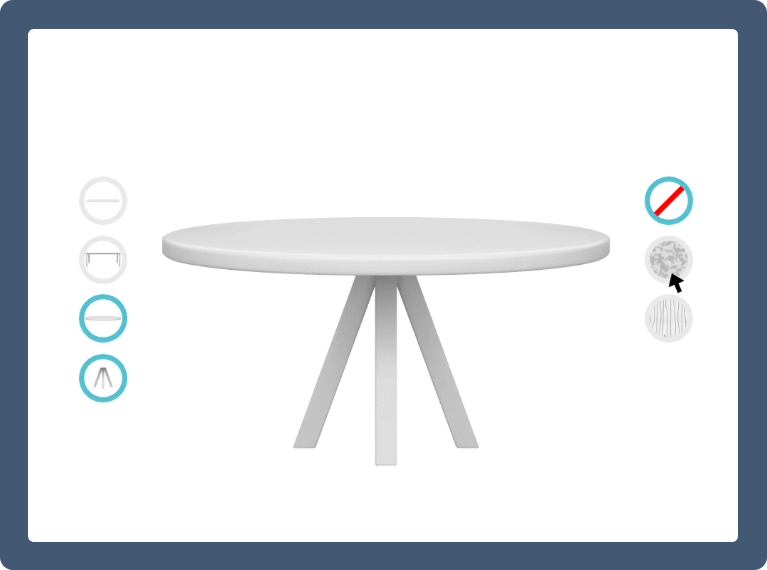
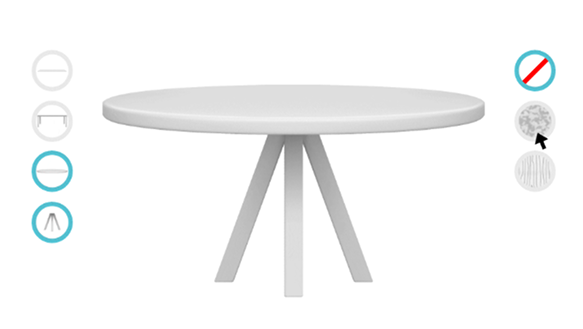
One of the most robust elements of a configurator is its capability to offer real-time visual feedback. Users can see immediate changes reflected in a 3D model or image of the product as they make pickings. This visual representation allows customers to understand their picks better.
Option Constraints:
An effective and well-designed configurator also includes option constraints to guide users through the process of selection. If a customer, for instance, picks a specific feature that is incompatible with another, the configurator can automatically disable that option, assuring a smooth and logical customization experience.
Pricing Adjustments:
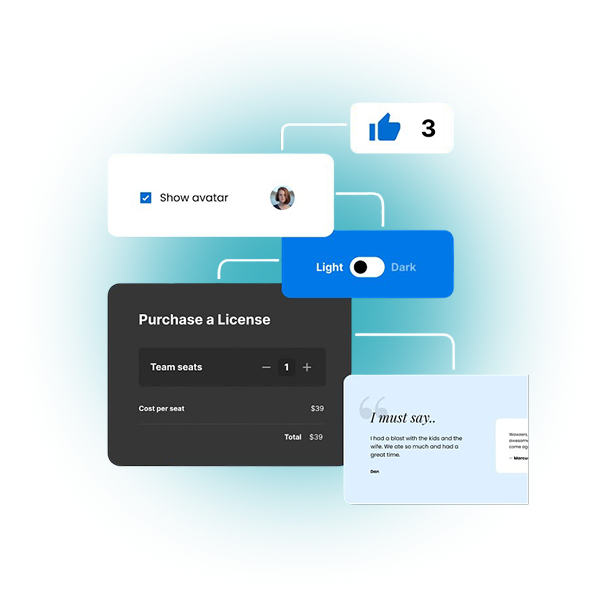
Numerous product configurators also incorporate dynamic pricing features. The price of the product updates accordingly as users select various options. This transparency in pricing allows customers to make informed decisions and can significantly influence their purchase choices.
Integration with Back-End Systems:
A configurator is usually linked with inventory management, manufacturing, and customer relationship management (CRM) systems. This integration enables businesses to facilitate the order process, handle inventory effectively, and enhance customer service.
Applications of Product Configurators:
Product configurators are versatile tools used across different industries. Here are some common applications:
Manufacturing and Industrial Products:
Product configurators, in the manufacturing sector, assist businesses offer complex machinery or equipment tailored to specific client requirements. Clients can select specifications such as size, power, and features, assuring that the final product meets their operational needs.
Apparel and Fashion:
Configurators allow customers to design their clothing or accessories in the fashion industry. They can choose colors, patterns, and sizes, allowing for a personalized shopping experience. For example, companies like Nike offer shoe configurators that allow customers to customize their sneakers.
Furniture and Interior Design:
Furniture retailers often use configurators to enable customers to design their furniture pieces. Customers can select materials, colors, dimensions, and additional features, allowing them to create furniture that fits perfectly in their spaces.
Automotive Industry:
Car manufacturers employ configurators to allow customers to create their vehicles according to their choices. Customers can choose model types, colors, interior features, and additional options. This not only improves customer satisfaction but also drives sales by making the buying process more engaging.
Electronics:
Product configurators, in the electronics industry, allow users to customize products such as computers, smartphones, and cameras. Customers can select specifications like RAM, storage, color, and accessories, making a product that meets their exact needs.
Conclusion:
Understanding the definition of a product configurator and how it can be effectively used is crucial for businesses looking to thrive in today’s competitive landscape. Companies can enhance user experience, increase sales, and reduce return rates by allowing customers to customize their products. Adopting this creative tool not only meets customer demands but also sets businesses up for long-term success in an ever-evolving marketplace.
FAQs:
What is a 3D product configurator?
A 3D configurator is a digital application that allows users to customize and visualize products in 3D before making a purchase.
What are your design rendering services all about?
In 3D design, rendering is the final visualization that depicts how a project might occur in reality. It’s distinct from 3D modeling, which builds the object while rendering and brings it to life with realistic effects.
What is the usage of 3D configuration in various industries?
3D configuration is a versatile tool used in various industries to improve design, production, customer experience, and training. You will use this tool to create unique versions and styles of your product that can be used in complex design processes.
Read Also: How to Build a Product Configurator for an Enhanced Customer Experience
Click below to dive into an exceptional dimension of customization with our advanced product configurator services.
Create your ideal configurator and save 50% instantly!