
According to a study by Forrester Research, 88% of consumers are more likely to engage with a brand that provides interactive and visually engaging content, such as product configurators or 3D models. Furthermore, brands using visual storytelling see a 22% increase in customer loyalty.
Introduction
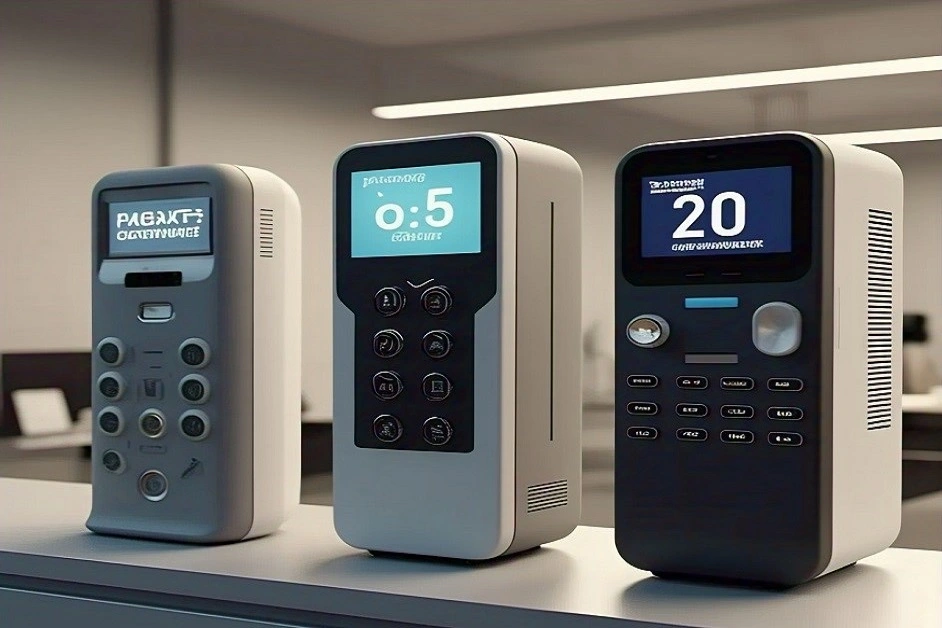
Understanding Product Generations involves tracking the evolution of a product over multiple iterations. Visualizing Different Generations of a Product through tools like a 3D product configurator provides customers with an interactive and insightful way to understand how a product has improved over time, increasing both transparency and trust in the brand.
The Concept of Product Generations
What Defines a Product Generation?
A product generation refers to a specific iteration or version of a product released at a particular time, typically including distinct improvements, technological advancements, or design changes. Each product generation reflects how businesses evolve in response to customer needs, technological innovations, and market demands.
For instance, in the tech industry, smartphones have various generations. The iPhone 13 (released in 2021) is the 13th generation, with significant upgrades compared to the iPhone 4 (2010), such as faster processors, better cameras, and longer battery life.

Want to showcase your product’s evolution and captivate your customers?
Key Differences between Generations:
- Technological Advancements: The newer generations often integrate cutting-edge technologies like faster processors, improved display quality, or enhanced connectivity features.
- Design Changes: With each generation, products often get streamlined, more durable, and visually appealing to meet consumer preferences.
- Functional Improvements: From performance speed to added features, newer generations enhance functionality, improving the overall user experience.
By understanding and visualizing these changes through a 3D product configurator, consumers can see how the product adapts and improves over time, increasing their confidence in purchasing decisions.
Benefits of Visualizing Different Generations of a Product
Enhancing Customer Engagement
Product configurators significantly enhance customer engagement and experience by offering interactive and personalized shopping journeys. Notably, Audi implemented a real-time 3D product configurator and observed a 66% increase in user engagement. Additionally, the configurator led to a 9% rise in the selection of extra features per vehicle, boosting the overall purchase value.
Educating Customers on Product Evolution
Visualization tools also provide an educational aspect. By showing customers the key differences between product generations—whether in terms of materials, performance, or usability—companies can highlight innovations. It allows customers to make more informed purchasing decisions, especially when they see how their investment might benefit from the evolution of a product.
Ready to enhance your product experience with a custom configurator? Let’s discuss how we can help!
Supporting Marketing and Sales
Product visualization also enhances marketing efforts. Brands can integrate generation visualizations into advertisements, online product pages, or social media posts. Consumers are more likely to engage with and share content that visually explains how products have improved, fostering a deeper connection to the brand.
Additionally, sales teams can use product configurators to present product history and variations to potential buyers, facilitating quicker decision-making by showing the features and benefits of various generations.
Tools for Visualizing Different Generations of a Product
Configurators and Customization Tools
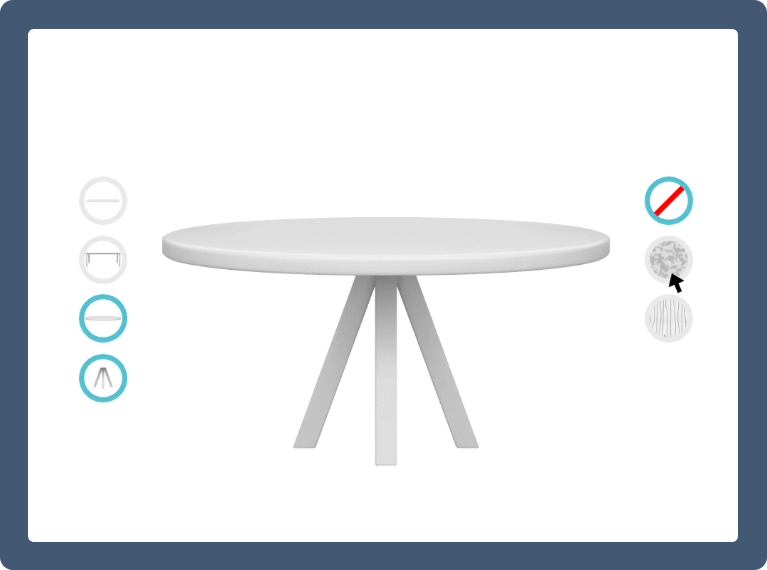
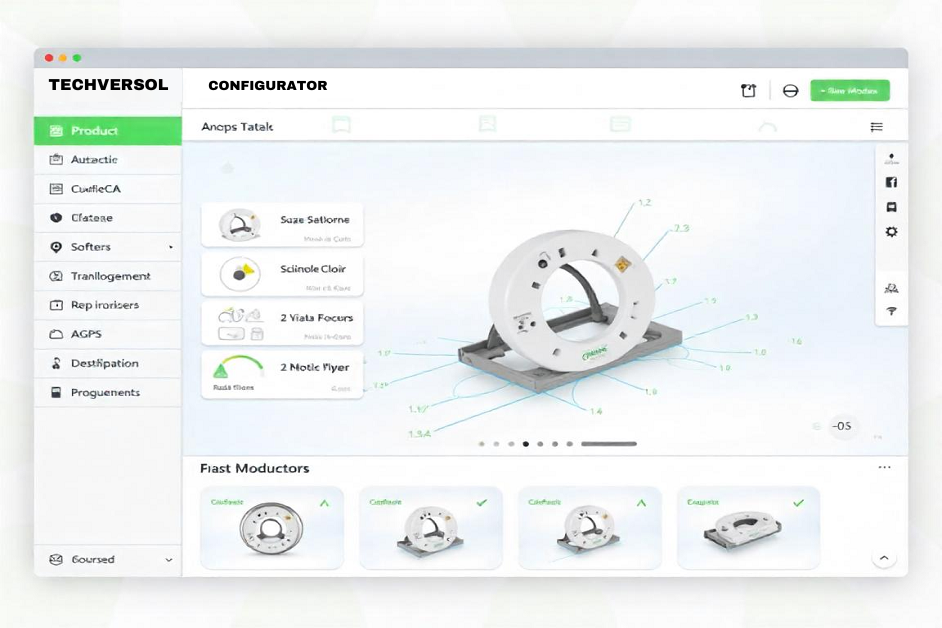
A product configurator is a powerful tool that enables businesses to create dynamic, customizable product experiences. By allowing users to visualize how products evolve over generations, a configurator can show changes in style, features, and configurations. For example, a car configurator can allow customers to visualize different vehicle generations with varying specifications and designs.
Interactive Timelines and Demos
Interactive timelines are an effective way to present product generations. With a timeline, customers can easily scroll through and see the visual progression of a product, accompanied by key information about changes made with each generation. This provides a clear, chronological understanding of how a product evolved.
Augmented Reality (AR) for Product Comparison
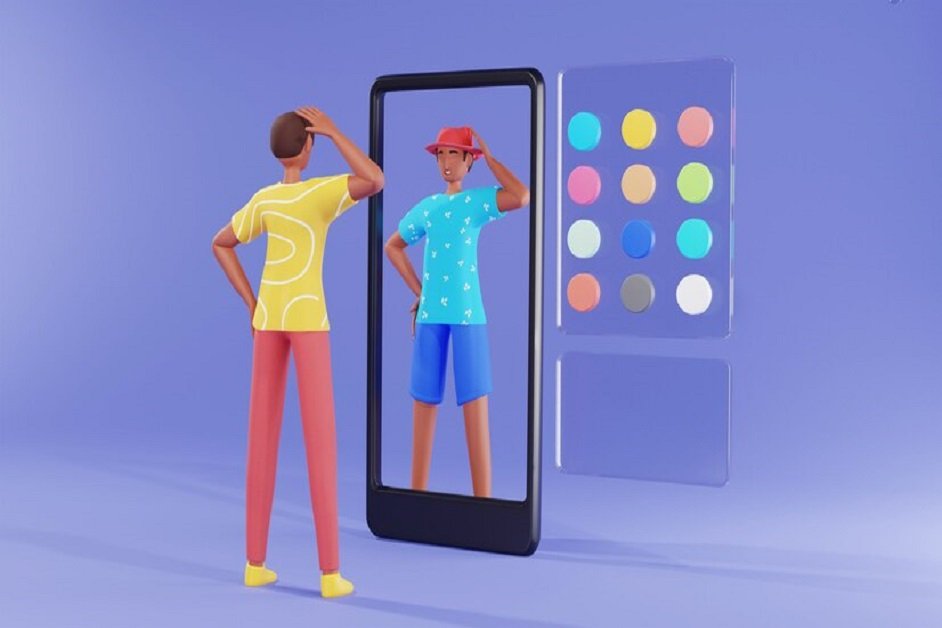
For a more immersive experience, businesses can incorporate augmented reality (AR) to allow customers to compare different generations in 3D. For instance, AR tools can help customers visualize the changes in a smartphone or a car’s design in real-time, enhancing the online shopping experience by providing a more interactive and engaging way to explore a product.
Case Studies of Successful Visualizations
Automotive Industry: Tracking Vehicle Models
In the automotive industry, many car manufacturers have used generation visualizations to show the evolution of specific models. For example, BMW created an interactive timeline of their BMW 3 Series. Customers could see how the car’s design, engine specifications, and features changed over the years. This helped BMW showcase their legacy of innovation while offering potential buyers a tool to compare the different generations and make a more informed purchasing decision.
Technology: Comparing Smartphone Versions
Apple and Samsung are two prime examples in the tech space, where the evolution of smartphones is prominently visualized through generation comparisons. Apple’s website offers a side-by-side comparison of their iPhone models, illustrating how the device has evolved in terms of size, screen technology, camera upgrades, and other features. These visualizations provide potential customers with an easy way to evaluate which generation best suits their needs.
Fashion: Showcasing Seasonal Trends
Fashion brands like Nike and Adidas utilize product generation visualizations to showcase how their products evolve across seasons and collections. By using product configurators, customers can customize different versions of shoes from different years or seasons, showing changes in design, materials, and technology.
Best Practices for Effective Visualization
Consistency in Design
When visualizing different generations, it’s important to maintain consistency in design across all product versions. This ensures that users can easily identify and compare changes without being distracted by inconsistent visual elements.
Focusing on Key Features and Changes
Highlight the key differences between generations, such as technological improvements, design shifts, and new features. Providing clear, concise information about what has changed helps customers understand the value of each product generation.
Interactive and User-Friendly Interfaces
For the best user experience, make sure your configurator is interactive and user-friendly. Easy navigation, intuitive controls, and quick load times ensure that customers can engage with your product generations without frustration.
How to Create Your Own Product Generation Visualizations
Step-by-Step Guide to Using a Configurator
- Collect Data: Gather comprehensive data about each product generation, including technical specifications, design changes, and key features.
- Design Visuals: Create high-quality visuals for each generation, ensuring accuracy and consistency.
- Integrate Customization Options: Allow customers to select specific features or configurations that are available in each product generation.
- Build an Interactive Experience: Use tools like 3D models, AR, or interactive timelines to make the experience engaging and dynamic.
Also Read: How to build the 3d product configurator?
Let us help you create stunning product generation visualizations with 3D configurators
Future Trends in Product Visualization
As technology advances, virtual reality (VR) and artificial intelligence (AI) are expected to play a big role in product generation visualizations. With VR, customers could experience products in immersive, 360-degree environments, while AI could suggest customized product generations based on user preferences.
The future of product visualization will be more personalized and immersive, allowing for deeper customer engagement.
The End Note
In conclusion, visualizing different generations of a product is not just a trend; it’s a powerful tool for engaging customers, educating them on product evolution, and enhancing the buying process. By using configurators, interactive tools, and AR, businesses can offer a unique experience that makes the product’s history tangible. As we look to the future, innovations like VR and AI will continue to revolutionize how businesses visualize their products, keeping them ahead of the curve.
As the market continues to evolve, adopting these visualization strategies will not only boost your business but also foster a deeper connection between your brand and your customers.
By focusing on visualizing product generations, you enhance your product configurator service, create engaging user experiences, and help businesses build strong customer relationships. Start today and transform your product experience into a more meaningful, engaging journey!