Customization stands as a dynamic cornerstone of client satisfaction and innovation in the dynamic realm of architecture. Product configurators are emerging as key tools that reshape how architectural projects are designed and executed since technology continues to evolve. Techversol’s product configurators are transforming traditional architectural practices and pushing the boundaries of what’s attainable in design by providing a platform for detailed, real-time customization.
Understanding Product Configurators:
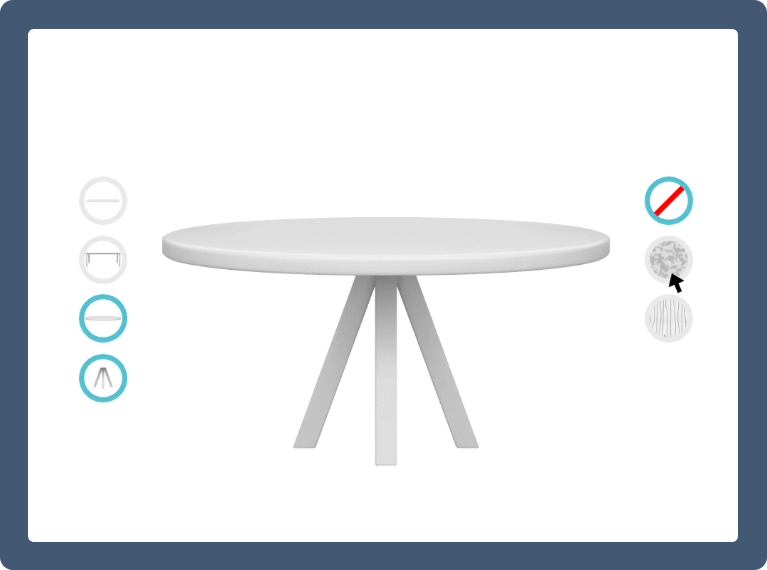
Product configurators allow users to design and customize products according to their specific requirements and preferences. Techversol’s services allow a user-friendly interface where clients can select different attributes, like materials, colors, sizes, and features, resulting in a customized product. Their potential in architecture is becoming increasingly apparent while typically used in industries like automotive and consumer goods.
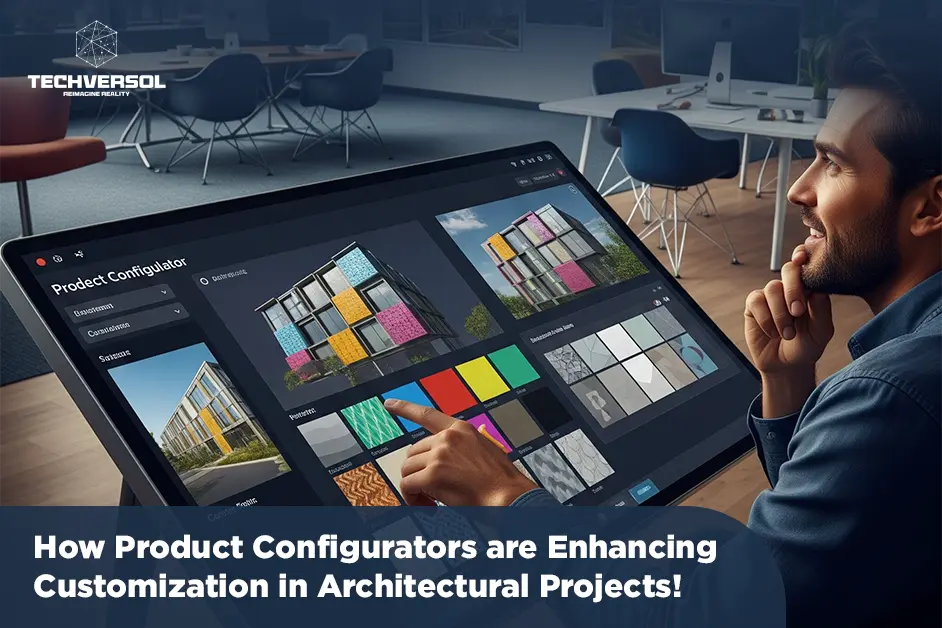
Architectural configurators can be employed to design elements such as windows, doors, facades, and even layouts of buildings, offering a visual and interactive technique for customization, which improves both the design process and client engagement.
Benefits of Product Configurators in Architectural Projects:
Enhanced Client Engagement and Satisfaction:
Product configurators offer a tangible way for clients to interact with their architectural projects. Rather than depending on static drawings and plans, clients can engage with a 3D product configurator of their project, choosing various configurations, materials, and finishes. This allows clients to visualize their choices in real-time, leading to higher satisfaction and a greater sense of ownership over the final design.
Streamlined Design Process:
Traditional design processes usually involve considerable iterations and revisions based on client feedback. Configurators simplify this process by allowing clients to make adjustments themselves, reducing the need for back-and-forth communication, and minimizing the risk of errors. Architects can focus on refining the design based on the configurations selected by the client, rather than reworking fundamental aspects of the project.
Cost Efficiency:
Architects can better estimate costs associated with different customization options by integrating configurators into the design phase. Clients can experiment with different materials and features to see how they impact the comprehensive budget, helping in making informed decisions and avoiding unexpected costs during construction. Additionally, configurators can help in optimizing material usage and reducing waste, contributing to more sustainable architectural practices.
Increased Design Flexibility:
Configurators provide effective flexibility by allowing rapid alterations and experimentation. Architects can test different configurations and design elements quickly, assessing their impact on aesthetics, functionality, and structural integrity. This flexibility fosters creativity and innovation, enabling architects to explore unconventional design solutions and push the boundaries of traditional architecture.
Improved Communication and Collaboration:
Apparent communication is important in architectural projects, where misinterpretations can lead to expensive mistakes. Configurators fill this gap by offering a visual representation of design choices. Architects, clients, and other stakeholders can view and discuss the same model to ensure that everyone has a suitable understanding of the project, enhance the efficiency of decision-making, and minimize the probability of disputes.
Integration with BIM (Building Information Modeling):
Product configurators can be integrated with BIM systems and create a smooth flow of information between design and construction, ensuring that all design changes are accurately reflected in the BIM (Building Information Modeling) model, improving coordination among project teams, and reducing the risk of discrepancies. It also facilitates better planning and management of construction activities, leading to more efficient project execution.
Real-World Applications and Case Studies:
Several architectural projects and firms have successfully implemented product configurators to improve customization and streamline design processes:
Residential Projects:
In residential architecture, configurators have been used to design custom homes that reflect individual preferences and lifestyles. For example, a configurator might allow clients to choose from a range of floor plans, exterior finishes, and interior layouts. This approach not only enhances client satisfaction but also enables architects to efficiently manage and implement custom designs.
Commercial Buildings:
In commercial architecture, configurators are employed to design facades, office layouts, and other building elements. For example, a retail chain might use a configurator to customize store layouts across multiple locations, ensuring brand consistency while accommodating local preferences. Similarly, office buildings can be configured to meet specific tenant needs, such as flexible workspaces or energy-efficient features.
Public Spaces:
Configurators are also transforming the design of public spaces, like parks, museums, and transportation hubs. Configurators facilitate more inclusive planning processes by allowing stakeholders to visualize different design options. For example, a park design configurator might enable community members to select features such as playground equipment, seating arrangements, and landscaping elements, leading to a more engaging and user-centric design.
Challenges and Considerations:
Product configurators offer numerous benefits, but they also come with challenges that architects must address:
Complexity of Implementation:
Integrating configurators into the design process requires thorough planning and technical expertise. Architects need to ensure that the configurator perfectly aligns with existing design tools and workflows and that it accurately represents the design options.
User Experience:
The effectiveness of a configurator relies on its user interface and ease of use. An inaccurately designed configurator can lead to confusion and frustration for clients. Architects must prioritize intuitive design and offer clear guidance to ensure clients can effectively use the tool to achieve their expected results.
Data Management:
Configurators generate large amounts of data related to design choices, materials, and costs. Managing this data efficiently is crucial for maintaining accuracy and consistency throughout the project. Architects must implement robust data management systems to handle and integrate this information effectively.
Future Trends and Innovations:
The future of product configurators in architecture holds exciting possibilities:
AI and Machine Learning:
Integration of AI and machine learning can enhance configurators by providing predictive analytics and automated design suggestions. AI algorithms can analyze user preferences and past projects to offer optimized design solutions, making the customization process even more efficient.
Virtual and Augmented Reality:
Virtual and augmented reality technologies can further elevate the configurator experience by providing immersive, interactive design reviews. Clients can virtually walk through their customized designs and make real-time adjustments, enhancing their understanding and engagement with the project.
Enhanced Integration with Smart Technologies:
Future configurators may smoothly incorporate smart technologies like IoT devices and smart building systems, enabling real-time monitoring and adjustments based on user behavior and environmental conditions, which leads to more responsive and adaptive architectural designs.
Conclusion:
Product configurators are developing day by day as they revolutionize the way architectural projects are designed and customized. These tools are setting new standards in architectural practice by enhancing client engagement, streamlining the design process, and improving cost efficiency. As technology continues to evolve, the potential services of Techversol for architectural configurators to transform the architectural landscape and drive innovation is boundless.
FAQs:
What is a 3D product configurator?
A 3D product configurator is a tool that helps you to create configurable products in 3D on your website.
What is the use of a 3D configurator?
3D configurator lets users configure or customize products online, in real-time, and see the results onscreen.
What is the usage of 3D configuration in various industries?
3D configuration is a versatile tool used in various industries to improve design, production, customer experience, and training. You will use this tool to create unique versions and styles of your product that can be used in complex design processes.
Discover how to implement the benefits of 3D product configurators in architectural projects by learning the steps outlined in our guide on how to build a 3D product configurator.