Skip to content

Introduction to Automation Services
Automation has become a foundation of modern business operations, playing a critical role in driving efficiency and innovation. By leveraging advanced technologies to streamline processes, reduce human error, and enhance productivity, automation empowers organizations to achieve more with fewer resources. From simple task automation to complex workflows powered by artificial intelligence and machine learning, automation services offer immense value to businesses of all sizes. These solutions enable companies to remain competitive in fast-paced markets by optimizing operations and delivering consistent results. This blog explores automation services, their various types, benefits, and transformative impact across industries.
What is Automation?
Automation is the process of using technology to perform tasks that would otherwise require human effort. It involves using tools, software, and machinery to carry out repetitive, time-consuming tasks, reducing the need for manual labor. The scope of automation can vary greatly—ranging from simple processes like data entry to more complex operations such as machine learning-driven decision-making.
In business settings, automation services are typically designed to improve operational efficiency, increase accuracy, and cut costs by automating repetitive functions. Whether through software solutions or robotics, automation allows companies to optimize the use of resources, improve operational speed, and enhance overall service delivery.
Why Automation Matters for Businesses
The importance of automation solutions for businesses cannot be overstated. In today’s competitive and fast-paced market, companies must operate efficiently to stay ahead. Manual processes are not only slow but also prone to human error. Automation addresses these issues by performing tasks more quickly, accurately, and reliably.
Businesses adopting automation services benefit from several key advantages:
1. Cost Efficiency:
Automation reduces the need for large workforces, allowing businesses to save on labor costs. Tasks that once required multiple employees can now be completed by a single automated system, reducing overhead expenses.
2. Scalability:
Automation makes it easier for companies to scale operations. As businesses grow, they can deploy additional automated systems rather than hiring more staff.
3. Competitive Advantage:
Companies that implement automation can respond more quickly to market demands, deliver faster services, and achieve higher levels of customer satisfaction.

Ready to streamline your operations and boost efficiency?
Types of Automation Services
There are several types of automation services that businesses can implement, each addressing different needs within an organization. Here are the most common types:
1. Robotic Process Automation (RPA)
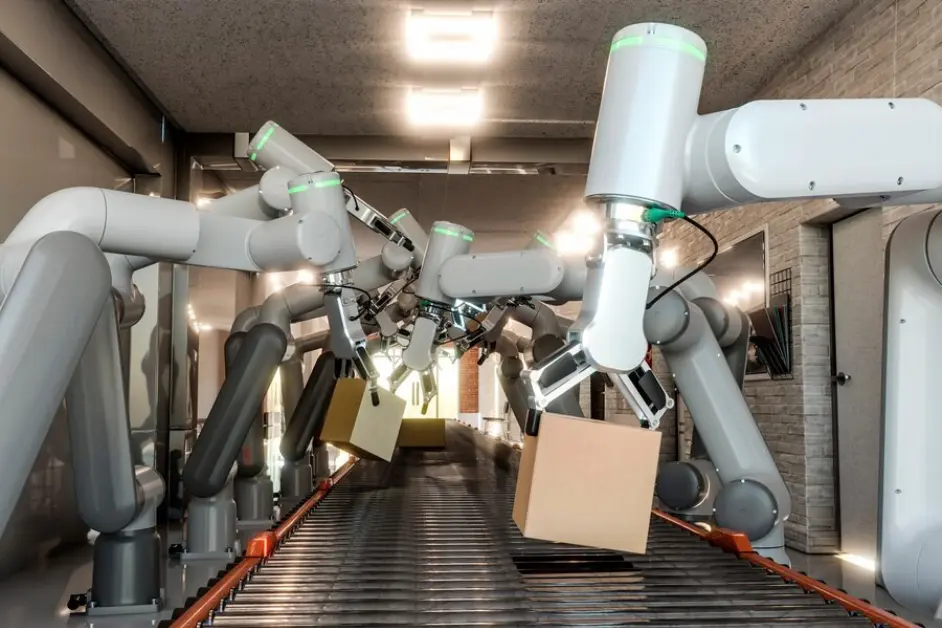
Robotic Process Automation (RPA) involves the use of “bots” to automate rule-based tasks that involve structured data. These bots mimic human actions and can perform activities like data entry, invoice processing, order fulfillment, and customer interactions. RPA is particularly effective in industries where processes are repetitive and time-consuming, such as finance, accounting, and human resources.
For instance, an RPA bot can extract information from emails, enter it into a database, and send confirmation messages—all in a fraction of the time it would take a human to do the same. RPA tools can be integrated into existing software, allowing businesses to enhance their operations without making significant changes to their current systems.
2. IT Process Automation (ITPA)

IT Process Automation (ITPA) involves automating IT infrastructure management and system operations. This type of automation focuses on reducing manual interventions in tasks such as server provisioning, software updates, network monitoring, and backup management. By automating routine IT tasks, companies can ensure better uptime, improve security, and reduce the burden on IT staff.
For example, an ITPA system could automatically update all software applications within an organization or monitor network traffic to detect any unusual activities. This type of automation is essential for organizations with large IT infrastructures, as it reduces the risk of human error while optimizing IT performance.
3. Business Process Automation (BPA)

Business Process Automation (BPA) is a broader form of automation that integrates various business processes across departments. BPA aims to optimize workflows by automating entire processes from start to finish. This could involve automating the customer journey—from initial contact, through product selection and order placement, to after-sales service.
For instance, an automated order processing system in e-commerce can take customer orders, process payments, check inventory, and notify shipping all at once. BPA is highly effective in improving the efficiency of multi-step processes that involve various departments or systems.
Unlock the potential of automation and take your business to the next level.
Industries Benefiting from Automation
Automation is transforming industries across the globe, enabling businesses to operate more efficiently and innovate faster. Some of the key sectors that benefit from automation include:
1. Manufacturing
Manufacturers have long been at the forefront of automation adoption. Automated systems are used for assembly lines, quality control, packaging, and material handling. Robots can perform repetitive tasks with greater precision and at higher speeds than humans, increasing production rates and reducing errors.
Advanced automation technologies, such as AI-powered robots, also allow for predictive maintenance, where machines can self-monitor their health and alert operators to potential issues before they lead to costly downtime.
2. Healthcare

In healthcare, automation helps streamline administrative tasks, improve patient care, and enhance operational efficiency. Automation is used for patient data management, scheduling, billing, and even in the medical field for tasks such as diagnostic imaging or drug dispensing.
For example, automation in radiology allows for faster image processing and analysis, while robotic surgical systems assist surgeons with precision and minimize human error.
3. Financial Services
The financial services industry leverages automation to improve operational efficiency, enhance security, and ensure regulatory compliance. Automated systems can process transactions, monitor accounts for fraud, and generate reports for financial analysis.
Automated trading platforms, for instance, execute trades based on algorithms and predefined rules, enabling faster and more accurate transactions. Compliance automation tools help financial institutions meet regulatory requirements more easily, reducing the risk of non-compliance.
4. Retail and E-Commerce

In the retail industry, automation enhances both customer-facing and back-end operations. Automated inventory management, order fulfillment systems, and AI-driven recommendation engines all contribute to a better customer experience. Online retailers also use automation to manage product catalogs, update prices, and track shipments.
How Automation Services Improve Efficiency
1. Streamlining Workflows
Automation helps streamline business processes by ensuring that tasks are executed in the correct order and with minimal disruption. By integrating various systems and automating interactions between them, businesses can avoid bottlenecks, reduce delays, and ensure that work flows smoothly across departments.
For example, an automated workflow in an HR department can handle employee onboarding, ensuring that each step—such as document submission, training scheduling, and equipment allocation—is completed in a timely and efficient manner.
2. Real-Time Data Processing
Automation systems can process data in real-time, providing businesses with up-to-date insights that can inform decision-making. This is especially useful in dynamic industries where time-sensitive data is crucial. Automated systems help process large amounts of data quickly, giving businesses the information they need to act swiftly.
For instance, in e-commerce, automation can provide real-time inventory tracking, so businesses can make decisions about restocking and shipping based on up-to-the-minute data.
Future Trends in Automation
1. AI and Machine Learning Integration

The future of automation lies in the integration of AI and machine learning (ML). These technologies allow automated systems to not only perform predefined tasks but also to learn from data and improve over time. AI-powered automation systems can adapt to changing conditions and make intelligent decisions without human intervention.
For example, in customer service, AI-driven chatbots can analyze past conversations to provide more accurate and personalized responses, creating an enhanced user experience.
2. Advanced Robotics
Advanced robotics is another key trend in automation. Robots are becoming more sophisticated, with the ability to perform complex tasks in dynamic environments. In manufacturing, robots can now assemble intricate parts, while in healthcare, robotic systems assist with precision surgeries.
As robots become more capable, they will be able to handle increasingly diverse tasks across industries, further driving the adoption of automation technologies
The End Note:
Automation services are essential for businesses looking to optimize efficiency, reduce costs, and improve productivity. Whether through robotic process automation, IT process automation, or business process automation, organizations are finding new ways to streamline operations and enhance customer experiences.
As automation technology continues to evolve, businesses must embrace these innovations to stay competitive and maintain growth. By investing in automation, companies can not only increase their operational efficiency but also position themselves for long-term success in an increasingly automated world.