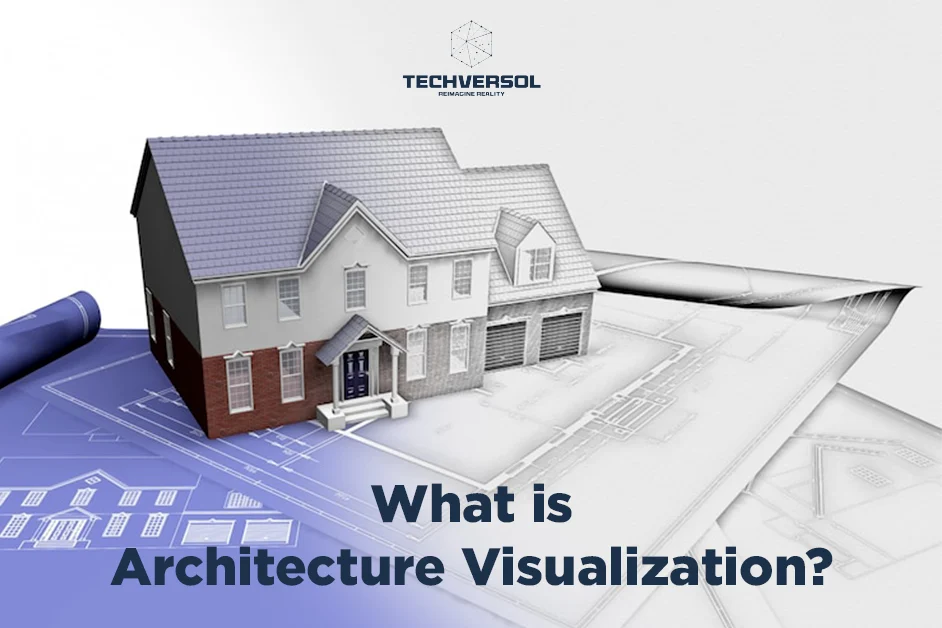
Architecture visualization is an essential component of modern architectural practice, serving as a bridge between conceptual design and real-world execution. 3D architectural animation services involve creating visual representations of architectural projects to convey ideas, design intent, and spatial experiences before construction begins. This practice encompasses a range of techniques and technologies, from traditional hand-drawn sketches to advanced 3D rendering and virtual reality. We will in this will delve into the concept of architectural rendering visualization, exploring its importance, methods, applications, and future directions.
Definition:
The process of creating graphical representations of Architectural designs. These architectural visualizations can take different forms which include:
2D Drawings:
Traditional floor plans, elevations, and sections that show the layout and proportions of a building.
3D Renderings:
Photorealistic pictures of a building or interior space are generated using computer software. These renderings architecture deliver a detailed view of what the final product will look like.
Virtual Reality (VR):
Immersive 3D environments that allow users to “walk through” a space, delivering a more interactive and experiential knowledge of the design.
Augmented Reality (AR):
Overlays digital information onto the real world, allowing users to see how new designs would fit into existing environments.
Importance of Architecture Visualization:
Design Communication:
One of the primary intents of Architecture Visualization is to effectively communicate design concepts. Architects and designers usually work with conceptual concepts that can be difficult for clients, stakeholders, or the general public to visualize. High-quality architectural rendering visualization translates these concepts into comprehensible and relatable images.
Design Validation:
Visualization helps in testing and refining design concepts. Designers can specify potential issues or areas for modification before actual construction starts by creating detailed renderings or virtual walkthroughs, helping to optimize the design and ensuring that it meets both functional and aesthetic objectives.
Marketing and Presentation:
Effective architectural visualizations are important for marketing and sales for developers and real estate professionals. Photorealistic renderings and VR experiences can depict a project in its proper light, drawing potential buyers or investors and developing interest long before construction is complete.
Client Engagement:
Visualization facilitates better client engagement by allowing clients to see and experience the design as it develops, helping clients make informed decisions, and providing a transparent picture of the result, lessening misconceptions and assuring alignment between their expectations and the final product.
Let us bring your architectural dreams to life with stunning visuals that capture your vision perfectly
Methods of Architecture Visualization:
Hand-drawn Sketches:
Hand-drawn sketches remain a useful tool for quickly analyzing and conveying design concepts while less common in contemporary practice due to advances in digital technology offering a personal and demonstrative touch that can communicate the designer’s vision in a direct and usually artistic way.
2D Digital Drawings:
Modern architectural design relies 2D heavily on digital drawings, like CAD (Computer-Aided Design) plans and sections. These drawings for architectural rendering visualization deliver clear details and are crucial for technical documentation and construction intents.
3D Modeling and Rendering:
3D modeling involves making a digital representation of a building or interior space using software like SketchUp, Rhino, or 3DS Max. Rendering software develops photorealistic images that simulate lighting, materials, and textures once the model is complete. These renderings can be used for presentations, marketing, or client approvals.
Virtual Reality (VR):
VR delivers an effective experience by enabling users to explore a 3D model in a simulated environment. Users can walk through and interact with the virtual space using VR headsets, acquiring a thorough understanding of the design. This method is specifically useful for large-scale projects or elaborate interiors where traditional visualizations might fall short.
Augmented Reality (AR):
AR blends digital visualizations with the physical world, improving the user’s perception of the physical environment. Users can envision how new designs will suit current spaces by using AR applications on mobile devices or AR glasses. This technology is valuable for site analysis, design revisions, and client presentations.
Applications of Architecture Visualization:
Design Development:
Architectural rendering visualization enables architects and designers to experiment with various materials, colors, and lighting conditions during the design phase, aiding in refining the design and making informed decisions based on how the suggested changes will influence the broad aesthetic and functionality.
Client Presentations:
High-quality architectural rendering visualization is essential for client presentations, providing a realistic preview of the final product, and helping clients comprehend and approve design proposals. Compelling visualizations can also encourage discussions and feedback that will lead to better-informed design adjustments.
Marketing and Sales:
Architectural rendering visualization is an effective tool for promoting properties for real estate developers and marketing teams. Renderings, animations, and VR experiences can be used in promotional materials, websites, and social media to attract potential buyers and investors.
Stakeholder Engagement:
Visualization helps engage different stakeholders including local authorities, community groups, and investors. Designers can address concerns, acquire approvals, and foster support for the project by presenting precise and effective visual representations.
Construction Planning:
Visualizations can assist in planning and coordination before construction starts. Detailed 3D models and animations can illustrate how construction will proceed, specify potential contests, and assure that all parties involved have a straightforward understanding of the design.
Conclusion:
Architecture visualization is a critical element of architectural practice that fills the gaps between conceptual design and reality. With Techversol’s 3D architectural animation services, architects can effectively convey their ideas, validate designs, and engage clients and stakeholders by employing a range of approaches and technologies, from hand-drawn sketches to advanced 3D rendering techniques and VR experiences. As technology continues to grow, the field of architectural rendering visualization will evolve, delivering even more effective tools and methods for creating and experiencing architectural designs.
FAQs:
What is rendering in architecture?
Architectural rendering is the process of creating 2D and 3D images of a proposed architectural design.
Which software is best for 3D animation architecture?
Autodesk Maya is a prominent software used broadly in film, television, gaming, and advertising industries for its strong features and flexible workflow.
What is another name for architectural renderings?
Architectural rendering, architectural illustration, or architectural visualization is the art of creating 3D images or animations showing the attributes of a proposed architectural design.