Augmented Reality (AR) has become a transformative technology, in recent years, across different sectors, and augmented reality architecture is nothing short of revolutionary.
Tecversol’s augmented reality services are changing how architects design, visualize, and convey their ideas. AR, which overlays digital information in the real world, is enhancing every phase of architectural projects, from initial concept through construction, and is paving the way for a new era of design and construction.
Concept of Augmented Reality:
Differing from virtual reality (VR), augmented reality improves the real-world environment with digital overlays rather than making a thoroughly virtual one. Users can interact with and view digital elements superimposed onto their real-life surroundings by using devices like AR glasses, tablets, or smartphones, including interactive data, 3D models, or contextual information, providing a more immersive and richer experience.
Enhancing Design Visualization:
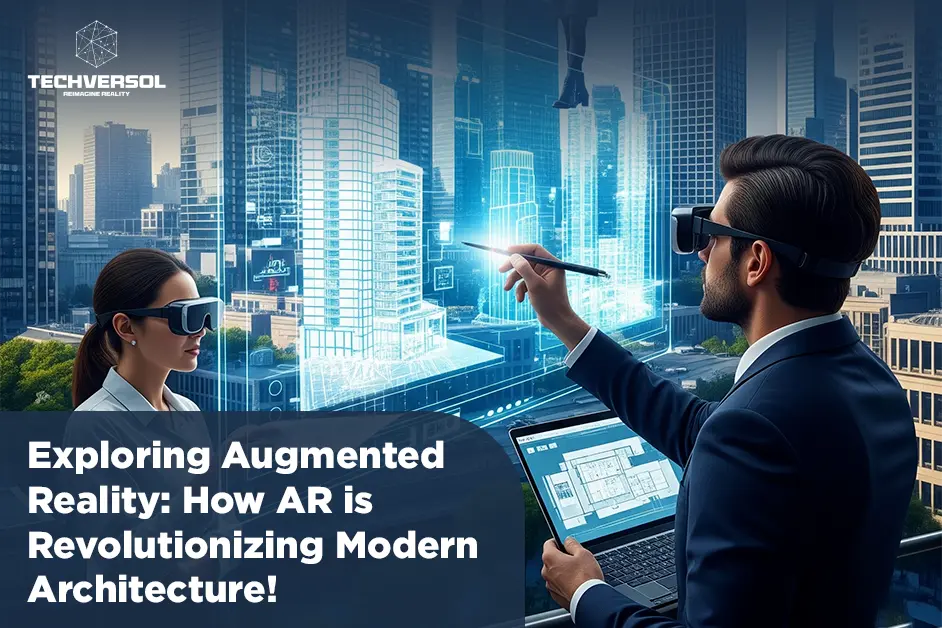
One of the most effective ways AR is revolutionizing architecture is through enhanced architectural visualization. Traditional design often relies on static 2D blueprints and 3D renderings, which can be challenging for stakeholders and clients to fully grasp. Augmented reality, however, allows architects to project their designs directly onto physical spaces.
An architect, for example, can use AR to superimpose a 3D model of a structure onto the physical area where it will be constructed allowing stakeholders and clients to experience the design in its intentional context and providing a more precise representation of how the final project will look.
Users can better understand design features, materials, and spatial relationships by interacting with and walking around the AR model, leading to fewer misunderstandings and more informed decision-making.
Ready to see how AR can transform your design process? Experience enhanced visualization firsthand!
Streamlining the Design Process:
The process of design is another spot where augmented reality is making an influential impact. Traditionally, transformations to architectural designs usually required time-consuming revisions to blueprints or physical models. Architects can quickly change and show changes in real time with AR.
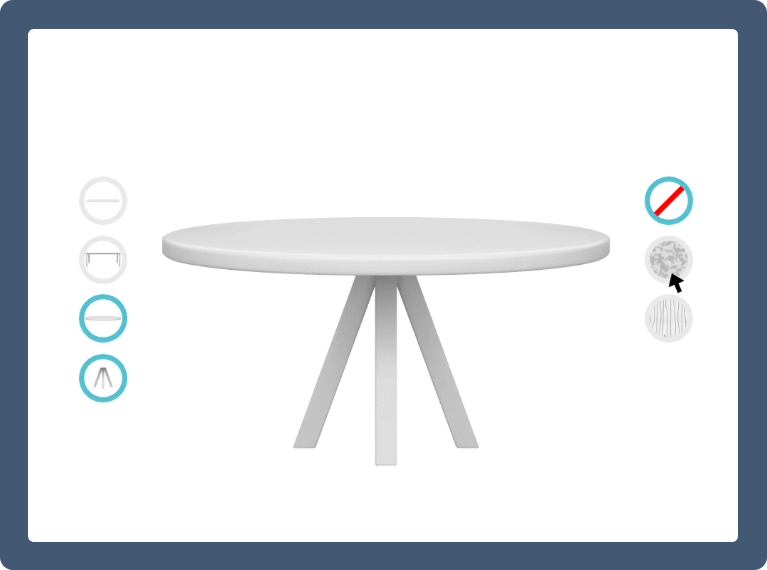
For instance, during a design review, an architect can utilize AR to project different design iterations onto a real-world site. Clients can directly see how different layouts, materials, or colors will influence the overall functionality and aesthetic of the project. This real-time feedback loop accelerates the design process and ensures the final product aligns closely with the vision and preferences of the client.
Improving Client Communication and Engagement:
Effective communication is essential in architecture, and AR is improving how architects engage with their clients. Architects can use AR to provide a more engaging and interactive experience instead of depending on technical jargon and static images. Clients can envision how their views will be integrated into the design and see how their feedback influences the project in real-time.
AR, furthermore, can enable better communication between architects, engineers, and contractors. All parties can view and discuss the same data, lessening the chance of errors and misinterpretations by overlaying digital information on physical blueprints. This collaborative strategy enables a more cohesive project team and allows to ensure that everyone is on the same page.
Revolutionizing Construction and Project Management:
Augmented Reality is also transforming the construction stage of architectural projects. AR, during construction, can be used to overlay digital models onto the physical site that allows contractors to compare the as-built structure with the design intent, and identify any contrasts early on, minimizing costly rework and ensuring that the project stays on schedule and within budget.
Moreover, AR can assist in project management by providing real-time data and visualizations of construction progress. Project managers can use AR to track the completion of various construction phases, identify potential issues, and make data-driven decisions. This enhanced oversight contributes to more efficient project execution and higher-quality outcomes.
Enhancing Safety and Training:
Safety is a crucial consideration in construction, and AR can play a crucial part in enhancing safety protocols and training. AR can be used to make simulations that help workers visualize potential risks and learn how to navigate them safely. Moreover, AR can overlay safety instructions and approaches onto the physical environment to ensure that workers have access to critical information in real time.
Training new employees or contractors can also benefit from AR. Interactive AR simulations can deliver hands-on training experiences to allow trainees to practice tasks and approaches in a controlled virtual environment.
Exploring New Design Possibilities:
AR is not only enhancing current techniques but also allows architects to explore new design prospects. Architects can push the boundaries of design innovation by integrating AR with other emerging technologies such as Artificial Intelligence (AI) and Building Information Modeling (BIM).
For example, AR can be used to visualize how various design elements will interact with environmental factors such as sunlight, wind, or weather conditions, allowing architects to create more responsive and sustainable designs that adjust to their surroundings.
Augmented reality can facilitate the exploration of unconventional design concepts by providing real-time feedback and simulations, allowing architects to experiment with new ideas tangibly and interactively.
Case Studies and Real-World Applications:
Several high-profile architectural projects have already shown the transformative potential of AR. One notable example is the use of AR in the design and construction of the Apple Park campus in Cupertino, California. The architectural firm Foster + Partners employed AR to visualize the complex geometry of the campus and ensure that the construction process adhered to the design specifications.
Challenges and Considerations:
The adoption of AR in architecture is not without challenges despite its many benefits. One influential consideration is the cost of AR technology and the need for technical training. Implementing AR solutions requires investment in software, hardware, and skilled personnel, which may be a hindrance for some companies.
Additionally, ensuring compatibility between AR systems and existing design tools or workflows can be a complex task. Construction and architect professionals must navigate the integration of AR with other technologies such as BIM and CAD to fully leverage its abilities.
Augmented Reality Future in Architecture:
As technology continues to advance, AR’s role in architecture is expected to grow even more significant. Future developments may include more immersive AR experiences, greater integration with other digital tools, and enhanced capabilities for real-time collaboration and visualization.
The potential for AR to transform architecture is enormous. Augmented reality is setting the stage for a new era of architectural innovation by providing more accurate real estate walk-through videos, streamlining design processes, improving communication, and enhancing construction practices. As architects and designers continue to explore AR, we can expect to see even more groundbreaking applications that push the boundaries of what is possible in architecture.
Conclusion:
By enhancing design visualization, streamlining processes, improving communication, and transforming construction practices, augmented reality.
As technology continues to evolve, It will certainly play a major role in shaping the future of architectural design and construction to offers compelling opportunities for innovation and creativity in the field.
FAQs:
What is augmented reality?
Augmented reality is an interactive experience that enhances the real world with computer-generated perceptual information.
Can I use AR for remote collaboration?
Sure, you can enhance remote collaboration by allowing your team members to interact with each other and digital content in real-time.
What devices i can use to experience your augmented reality services?
You can experience AR by using several devices which include smartphones, tablets, AR glasses, headsets, and smartwatches.
What is the modern architecture?
Modern architecture highlights simplicity and functionality. It employs efficient use of space, little to no ornamentation, open structure and floor plans, modern materials, abstraction, clean and straight lines, and minimalism.
Transform your architectural design with cutting-edge AR technology. Discover how our services can enhance your next project