
Do you want to build an app but don’t know where to start? Understanding application development is key to success, whether it’s a mobile app, web app, or enterprise software. Each step plays a crucial role, from planning and design to coding, testing, and launch. In this guide, we’ll break down the entire process, explore different types of apps, and highlight the best tools and technologies. Whether you’re a beginner or a business owner looking to develop an app, this article will give you the knowledge you need to get started. Let’s dive in!
What is Application Development?
Application development is the process of designing, building, and deploying software applications for mobile, web, or desktop platforms. It involves planning, coding, testing, and maintenance to create functional and user-friendly apps. Developers use programming languages, frameworks, and tools to build applications that meet specific user needs and business objectives.
Types of Application Development
Application development is a vast field that caters to different platforms, industries, and user needs. Depending on the purpose, functionality, and target audience, applications can be developed for mobile devices, web browsers, desktops, enterprises, and cloud-based systems. Each type comes with its own development process, programming languages, and frameworks. Below, we explore the most common types of application development, their features, benefits, and best use cases. Understanding these types can help businesses and developers choose the right approach for their projects.
Mobile Application Development
Mobile application development focuses on creating software applications specifically for smartphones and tablets. These apps can be built for iOS (Apple) and Android (Google) platforms, using languages like Swift, Kotlin, and Java, or frameworks such as React Native and Flutter. Mobile apps are designed for on-the-go usage, offering convenience, accessibility, and personalized experiences. They are available on application development stores like Google Play and Apple’s App Store. Mobile apps can be native, hybrid, or cross-platform, ensuring businesses can reach users across different devices with high functionality and smooth performance.

Turn Your App Idea into Reality! Get a Custom Development Quote Today.
Web Application Development
Web applications are software programs that run in web browsers rather than being installed on a device. These apps are built using HTML, CSS, and JavaScript, along with frameworks like Angular, Vue.js, or React. Web apps range from simple websites to complex platforms like Google Docs and e-commerce stores. Unlike mobile apps, they do not require installation and can be accessed from any device with an internet connection. Progressive Web Apps (PWAs) enhance user experience by providing offline functionality, fast loading speeds, and app-like interfaces without needing an application development store download.
Desktop Application Development

Desktop applications are software programs installed and run on personal computers or laptops, operating on systems like Windows, macOS, and Linux. These applications provide full functionality without requiring an internet connection. Examples include Microsoft Office, Adobe Photoshop, and video editing software. Developers use languages like C++, Java, and Python, along with frameworks such as .NET and Electron. Desktop applications are ideal for tasks requiring high processing power, such as graphic design, 3D modeling, and software development. Unlike web apps, they provide better performance and security due to local data storage.
💭 How do I start developing an app?
To start app development, first define your app idea, research the market, and plan key features. Choose the right platform, design a user-friendly interface, and then begin coding or hire experts.
Enterprise Application Development
Enterprise applications are large-scale software solutions designed to support business operations, improve efficiency, and streamline workflows. These applications cater to organizations rather than individual users, integrating tools for human resources, customer relationship management (CRM), enterprise resource planning (ERP), and supply chain management. Technologies like Java, C#, and Python, along with platforms such as SAP and Salesforce, power enterprise applications. These apps are highly scalable, customizable, and secure, allowing businesses to manage large amounts of data, automate processes, and enhance collaboration among teams while ensuring compliance with industry regulations.
Cloud-Based Application Development
Cloud-based applications run on remote servers and are accessed through the internet rather than being installed on local devices. These apps use cloud computing services like Amazon Web Services (AWS), Microsoft Azure, and Google Cloud to store, manage, and process data. Cloud apps offer scalability, cost efficiency, and remote accessibility, making them ideal for businesses and individuals who need flexible solutions. Examples include Google Drive, Dropbox, and Zoom. Developers use technologies like Kubernetes, Docker, and serverless computing to build and deploy cloud applications that provide seamless performance with reduced infrastructure costs.
Progressive Web Application (PWA) Development
Progressive Web Applications (PWAs) combine the best features of web and mobile apps, offering an app-like experience in a web browser. PWAs use service workers and caching to enable offline functionality, fast loading times, and push notifications. These apps are developed using standard web technologies like HTML, CSS, and JavaScript, along with frameworks such as Angular, React, and Vue.js. Unlike native mobile apps, PWAs do not require application development store downloads, making them easy to access and update. Businesses benefit from PWAs as they improve user engagement and reduce application development costs.
Internet of Things (IoT) Application Development

IoT applications are designed to connect and interact with smart devices, sensors, and networks to collect, process, and analyze data. These applications are used in smart homes, healthcare, manufacturing, and logistics. Developers use languages like Python, Java, and C++, along with platforms such as Google Cloud IoT and AWS IoT Core. IoT apps enable automation, remote monitoring, and real-time analytics, improving operational efficiency and user convenience. From smart thermostats and wearable fitness devices to industrial automation systems, IoT application development plays a crucial role in the digital transformation of various industries.
Game Application Development
Game application development focuses on creating video games for mobile, desktop, and gaming consoles. Developers use game engines like Unity, Unreal Engine, and Godot to build immersive gaming experiences. Games can be 2D or 3D, single-player or multiplayer, and range from simple arcade-style apps to complex, high-graphics games. Technologies like artificial intelligence (AI), augmented reality (AR), and virtual reality (VR) enhance modern game development. With the rise of cloud gaming and blockchain-based play-to-earn models, game development continues to evolve, offering engaging and interactive experiences to users worldwide.
Facing App Development Hurdles? We’re Here To Help
Blockchain Application Development
Blockchain application development involves creating decentralized applications (DApps) that run on blockchain networks rather than centralized servers. These apps ensure transparency, security, and immutability, making them ideal for finance, supply chain, and identity verification. Developers use platforms like Ethereum, Binance Smart Chain, and Hyperledger, along with smart contract languages like Solidity. Blockchain apps include cryptocurrency wallets, decentralized finance (DeFi) platforms, and non-fungible token (NFT) marketplaces. As industries explore blockchain’s potential, businesses are increasingly adopting decentralized applications to enhance security, reduce fraud, and improve trust in digital transactions.
Augmented Reality (AR) and Virtual Reality (VR) Application Development
AR and VR applications create immersive digital experiences by overlaying virtual elements on the real world (AR) or simulating entirely virtual environments (VR). These applications are widely used in gaming, education, healthcare, and real estate. Developers use platforms like ARKit, ARCore, and Oculus SDK to build engaging AR/VR apps. Technologies like 3D modeling, computer vision, and spatial computing enhance interactivity. Examples include AR filters in social media apps, virtual real estate tours, and medical simulations. As hardware improves, AR and VR applications continue to revolutionize user experiences across multiple industries.
Embedded Software Application Development
Embedded software applications are designed to operate within specialized hardware systems, such as medical devices, automotive systems, and industrial machines. These applications are programmed using languages like C and C++ and run on microcontrollers and embedded processors. Unlike traditional software, embedded applications have strict performance, security, and real-time processing requirements. Examples include smart appliances, automotive infotainment systems, and robotics. Developers must optimize code for resource efficiency, ensuring reliable performance in mission-critical applications. As IoT and AI integration grow, embedded software development is becoming increasingly sophisticated and essential in modern technology.
Future Trends in Application Development
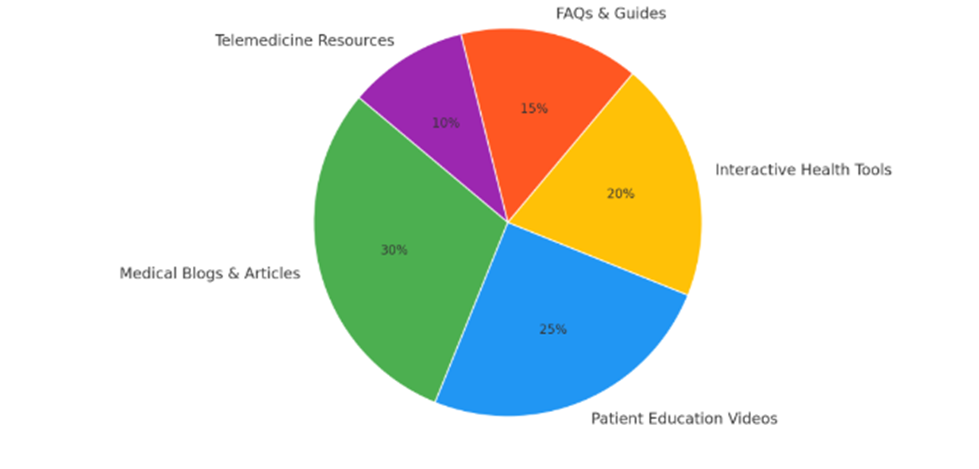
In this pie chart we are representing future app development trends, showing how different technologies are expected to shape the industry.
5 Reasons Why You Should Hire Techversol for Your Next Mobile App Project
When it comes to mobile app development, partnering with the right team makes all the difference. At Techversol, we’re passionate about creating mobile solutions that are tailored to your business needs. Here’s why we’re the perfect choice for your next mobile app project:
✅Expertise in the Latest Technologies
We specialize in the most up-to-date mobile app development tools, including React Native, Flutter, Swift, Kotlin, and Node.js. With our expertise, you’ll benefit from fast, scalable, and high-performance apps that stand out in today’s competitive market. We’re always exploring new tech to ensure your app uses the best and most efficient solutions.
✅Tailored Solutions for Your Business
At Techversol, we understand that no two businesses are alike. That’s why we offer customized solutions that are built specifically for you. Whether you’re developing an e-commerce platform, a gaming app, or an enterprise-level solution, we ensure the app is perfectly aligned with your goals, vision, and audience.
✅Faster Delivery with Agile Development
We adopt the Agile methodology, which allows us to break your project into manageable phases. This approach enables us to deliver your app quicker and adjust as needed based on your feedback. It also ensures that we stay flexible and responsive to your evolving needs throughout the process.
✅Focus on User Experience (UX)
A great app is only great if it’s easy and enjoyable to use. We focus on creating apps with intuitive, user-friendly interfaces that enhance user engagement. From seamless navigation to quick load times, we prioritize user experience every step of the way.
✅Ongoing Support and Maintenance
Our partnership doesn’t end with the launch of your app. We offer continuous support and maintenance to keep your app running smoothly. Whether it’s bug fixes, updates, or adapting to new OS features, we’re here for the long haul to ensure your app stays relevant and effective.
At Techversol, we’re not just building apps—we’re building lasting partnerships. Let us help you create a mobile app that truly reflects your brand and business goals!
The Application Development Process
Building a successful application requires careful planning, execution, and continuous improvement. The application development process follows a structured approach to ensure functionality, performance, and user satisfaction. Whether developing a mobile app, web app, or enterprise software, each stage plays a critical role in the final product. Below, we explore the key phases of application development, covering everything from initial planning to deployment and maintenance.
Planning and Research
The foundation of any successful application starts with thorough planning and research. This stage involves defining the app’s purpose, identifying the target audience, and analyzing market trends. Developers and business stakeholders work together to outline the project scope, set goals, and determine key functionalities. Competitor analysis helps identify gaps in existing solutions and opportunities for differentiation. Additionally, planning includes deciding on the budget, timeline, and required resources. A well-researched strategy ensures the application development process runs smoothly and aligns with business objectives.
💭Can I use C++ for app development?
Yes, C++ can be used for app development, especially for performance-critical applications. It’s one of the programming languages for app development, offering control over system resources and supporting cross-platform development.
Defining Requirements and Features
Once the initial planning is complete, the next step is defining the specific requirements and features of the application. This phase involves creating a Software Requirements Specification (SRS) document, which outlines functional and non-functional requirements, user roles, and system constraints. Developers and stakeholders decide on core features such as user authentication, payment integration, notifications, and security measures. Prioritizing features based on user needs and business goals helps in creating a Minimum Viable Product (MVP) that can be launched early for feedback and improvements.
Designing the User Interface (UI) and User Experience (UX)

The design phase focuses on creating an intuitive and visually appealing user interface while ensuring a seamless user experience. UX designers create wireframes and prototypes to map out navigation flows and screen layouts. UI designers work on color schemes, typography, and interactive elements to enhance visual appeal. Tools like Figma, Adobe XD, and Sketch help designers create high-fidelity mockups. The goal is to ensure that the application is user-friendly, accessible, and optimized for different screen sizes and devices. A well-designed interface improves engagement and user satisfaction.
Choosing the Technology Stack
Selecting the right technology stack is crucial for the app’s performance, scalability, and maintainability. The choice of programming languages, frameworks, and tools depends on the type of application being developed. For example:
- Mobile Apps: Swift (iOS), Kotlin (Android), React Native, Flutter
- Web Apps: HTML, CSS, JavaScript, Angular, React, Vue.js
- Backend: Node.js, Django, Ruby on Rails, Spring Boot
- Database: MySQL, PostgreSQL, Firebase, MongoDB
Developers also consider cloud services, security protocols, and third-party integrations to enhance functionality and reliability.
Development and Coding
This is the core phase where developers write the actual code and build the application’s functionalities. Development is typically divided into two main parts:
- Frontend Development: Focuses on the user interface and client-side interactions.
- Backend Development: Handles data processing, business logic, and database management.
Agile methodologies like Scrum or Kanban are often used, allowing for iterative application development, continuous testing, and regular feedback. Developers use version control systems like Git to track changes and collaborate efficiently. Writing clean, scalable, and well-documented code ensures easier maintenance and future updates.
Testing and Quality Assurance (QA)
Before launching, rigorous testing is conducted to identify and fix bugs, performance issues, and security vulnerabilities. Different types of testing include:
- Unit Testing: Ensures individual components work correctly.
- Integration Testing: Checks interactions between different modules.
- User Acceptance Testing (UAT): Ensures the app meets business requirements.
- Performance Testing: Assesses speed, responsiveness, and stability.
- Security Testing: Identifies potential vulnerabilities and threats.
Automated testing tools like Selenium, Appium, and JUnit help streamline the process. A well-tested application reduces post-launch issues and enhances user trust.
Deployment and Launch
Once the application passes all tests, it is ready for deployment. The deployment process involves setting up the production environment, configuring servers, and ensuring all components work seamlessly. A soft launch (beta testing) may be conducted to gather user feedback before a full public release. Marketing strategies, such as social media campaigns, email outreach, and app store optimization (ASO), help attract users.
Post-Launch Maintenance and Updates
The development process doesn’t end with deployment. Continuous maintenance is essential for fixing bugs, improving security, and adding new features. Regular updates keep the app relevant and ensure compatibility with evolving technologies. Developers monitor user feedback, track analytics, and optimize performance based on real-world usage. Security patches and software upgrades protect the app from potential threats. A well-maintained application ensures long-term success and user satisfaction.
Popular Technologies & Tools in App Development
| Category | Technologies & Tools | Examples |
| Frontend Development | React, Angular, Flutter | React Native, Vue.js, Swift |
| Backend Development | Node.js, Django, Spring Boot | Express.js, Ruby on Rails, Laravel |
| Database Management | MySQL, Firebase, MongoDB | PostgreSQL, Oracle, Redis |
| Testing & Deployment | Selenium, Jenkins, Docker | Appium, GitHub Actions, Kubernetes |
Let’s Wind Up
To wrap up, application development is a detailed process that involves careful planning, design, and development. From the initial idea to testing and launching, each step is important for creating a successful app. Whether you’re building a mobile app, web app, or software, focusing on user experience and functionality is key. As technology keeps changing, staying updated on trends will help your app succeed. Embrace the application development process, and you’ll see your ideas turn into real, working apps in the digital world.
💭Can Chatgpt 4 build an app?
ChatGPT-4 can assist with the application building process by providing guidance, generating code snippets, and suggesting best practices. However, it cannot fully develop an app without human input and coding expertise.
FAQs
What does an application developer do?
An application developer designs, builds, and maintains software applications. They handle coding, testing, debugging, and user experience to ensure apps function efficiently on various platforms.
How do I learn app development?
You can learn app development through online courses, tutorials, coding boot camps, and practice. Start with programming languages like Java, Swift, or Kotlin, and build projects to gain hands-on experience.
Is app development easy?
App development can be challenging, especially for beginners. It requires learning programming languages, understanding user needs, and troubleshooting issues. However, with persistence and practice, it becomes more manageable.
Do app developers get paid?
Yes, app developers are paid, often well, depending on experience, location, and the type of app they develop. Salaries can range from moderate to high, especially for specialized developers.