Virtual staging has become a widely popular solution in the real estate industry, providing a modern approach to showcasing properties without the necessity for furniture or decor physically present there.
This popular solution provides a visually appealing and cost-effective method for making properties stand out in a competitive landscape. Techversol, in this article, explores what is virtual staging, how it works, its benefits, and its differences from traditional staging.
Understanding Virtual Staging
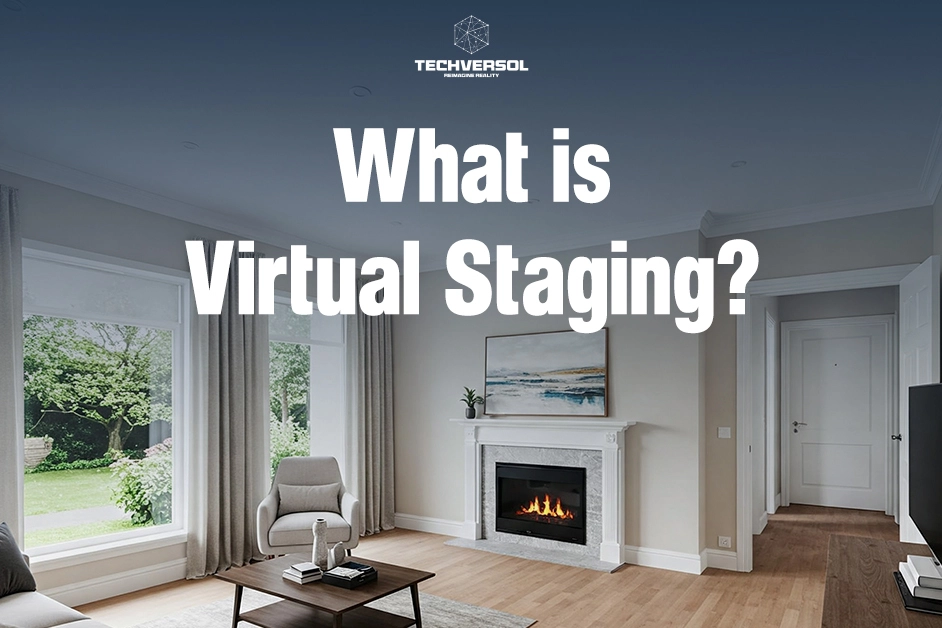
Virtual staging refers to the digital furnishing and decorating process of a home employing computer-generated imagery (CGI).
This technology enables property developers, real estate agents, and homeowners to make engaging, visually attractive pictures that emphasize the potential of a property without the necessity for physical staging.
Virtual staging often involves taking high-quality photos of an empty property and then overlaying them with digital furniture, art, and decor.
The outcome is an effective visual representation that can assist potential buyers in envisioning how the space can be employed, making it more attractive for showings and listings.
How Virtual Staging Works:
The virtual staging process involves several key steps:
Photography:
The first step is capturing high-resolution pictures of the empty property. These pictures should be captured from different angles to showcase different rooms and views.
Selection of Styles:
Once the pictures are captured, the next step is to choose the style and type of furniture and decor that will be digitally added. This can vary from contemporary to traditional styles, depending on the target market and the property’s architecture.
Digital Rendering:
Utilizing specialized software, designers will digitally position furniture, artwork, and accessories into the photos. This includes thorough consideration of view, lighting, and scale to ensure that the virtual elements look lifelike and harmoniously blended into the existing space.
Final Touches:
After the initial staging is finished, further adjustments may be made to improve the broad aesthetic of the pictures. This can contain color correction, shadow adjustments, and fine-tuning of lighting to make a polished final product.
Delivery:
Once the 3D virtual staging is finished, the final pictures are provided to the client for help in marketing materials, online listings, or promotional campaigns.
What are the Benefits of Virtual Staging?
Virtual staging offers considerable benefits over traditional staging techniques that makes it an appealing option for real estate professionals and sellers alike:
Cost-Effective:
Traditional staging can be costly, including rental fees for furniture, decor, and the expense of labor for setup. However, virtual staging costs a fraction of that, which makes it a budget-friendly alternative.
Time-Saving:
Physical staging can consume much time, and take days or even weeks to arrange, on the other hand, virtual staging can be concluded in a matter of hours or days. This speed enables properties to be marketed quickly, which is essential in today’s fast-paced real estate market.
Flexibility:
Homeowners, with virtual staging, can experiment with various styles and arrangements without the commitment of physical furniture. This flexibility allows tailored presentations based on the selections of potential buyers.
Broader Reach:
High-quality virtual staging pictures can improve online listings, drawing more attraction from potential buyers. Since many buyers start their search online, effective visuals can greatly improve the probability of inquiries and showings.
Enhanced Visual Appeal:
Virtual staging enables the creation of beautifully designed spaces that emphasize the best features of a property. This can stimulate emotions and allow buyers to visualize themselves living in the home.
How Virtual Staging Can Enhance Specific Areas?
Virtual Staging for Real Estate:
Virtual staging is an innovative solution that enables real estate professionals to digitally furnish and decorate spaces using computer-generated imagery. Let’s explore how virtual staging can transform specific areas of a home.
Virtual Staging for Bathrooms:
Bathrooms can usually appear stark and uninviting, particularly when empty. Virtual staging for bathrooms includes adding elements such as stylish vanities, attractive lighting fixtures, and decorative accessories to create a warm and inviting atmosphere.
Virtual Staging for Dining Rooms:
3D virtual staging can create an inviting atmosphere, by adding a virtual dining table, chairs, and decorative centerpieces that enable potential buyers to visualize hosting family dinners or celebrations.
Virtual Staging for Master Bedrooms:
It can effectively showcase how much space is left or available, which allows potential buyers to visualize their own furniture and personal touches.
Virtual Furniture for Flats:
Augmented furniture can assist in demonstrating how to best use compact areas, showing how rooms can feel useful and stylish without being cluttered.
Virtual Staging for Living Rooms:
It can show how the living room can be employed for relaxation, entertainment, and family gatherings by digitally adding sofas, coffee tables, and entertainment centers.
Virtual Staging vs. Traditional Staging:
While both virtual staging and traditional staging seek to showcase a property effectively, there are some essential differences:
Physical vs. Digital:
Traditional staging includes physically arranging furniture and decor in a space, while virtual staging uses CGI to make a digital representation of how the area can look.
Cost and Time:
Traditional staging usually incurs higher costs and takes longer due to the logistics of transporting and arranging physical items. Virtual staging is typically more reasonable and quicker to achieve.
Flexibility in Design:
Virtual staging enables limitless design prospects without the restrictions of physical items. Traditional staging is bound by the furniture and decor’s availability.
Target Audience:
Virtual staging is specifically compelling for vacant properties, while traditional staging may be more useful for occupied homes where the seller likes to showcase their current furnishings.
What is 360 Virtual Staging?
360 virtual staging has the idea of traditional virtual staging a phase further by blending interactive 360-degree views of a space.
This process enables potential buyers to explore a property virtually, offering them the capability to rotate and navigate through rooms as if they were present physically.
Benefits of 360 Virtual Staging:
Interactive Experience:
360 virtual staging provides a more attractive experience, allowing users to interact with the space and view it from various angles. This interactivity can improve interest and lead to more inquiries.
Showcase Floor Plans:
360 virtual stagings can be specifically valuable for showcasing floor plans and how different rooms connect, allowing buyers to understand the layout more effectively.
Appeal to Remote Buyers:
For buyers who are not able to visit a property physically, 360 virtual staging offers a useful alternative, allowing them to explore the home from the convenience of their own space.
What is Virtual Renovation and Its Use?
Virtual renovation contains digitally altering images of a property to show specific renovations, upgrades, or remodeling. This approach is specifically valuable for properties that need progress or for sellers who want to envision how a space could be improved.
Benefits of Virtual Renovation:
Visualizing Potential:
Virtual renovation enables homeowners and buyers to see the prospect of a property without the requirement for expensive physical renovations. This can assist in decision-making and enable buyers to consider properties they might otherwise overlook.
Attracting Buyers:
Sellers can draw buyers, by showcasing a property’s potential through virtual renovations, who are interested in making progress but require inspiration on what can be done.
Cost-Effective Marketing Tool:
Virtual renovation can be a more reasonable way to market a property than conducting actual renovations, which can be costly and time-consuming.
How Much Does Virtual Staging Cost?
The cost of virtual staging can be widely based on several aspects, including the complexity of the project, the number of photos being staged, and the level of detail needed.
Here are some factors that can influence pricing:
- Number of Images: Numerous companies offer discounts for bulk staging, so the more pictures you need to be staged, the lower the per-image cost may be.
- Style and Detail: If you need a highly detailed or customized staging like a specific style or arrangement, the cost may increase.
- Additional Features: A few services may offer extras, like 360 virtual staging or virtual renovation options, which can influence the broad price.
- Service Provider: Various companies have varying pricing structures, so it’s crucial to shop around and compare options.
The Future of Virtual Staging:
The future of virtual staging looks favorable as technology continues to grow. Here are a few trends and developments to watch for:
- Increased Use of AI: Artificial intelligence is expected to play a considerable part in virtual staging, allowing automated processes and enhancing the realism of staged photos.
- Enhanced Virtual Reality (VR) Integration: As VR technology becomes more accessible, blending virtual staging with VR can make even more immersive experiences for potential buyers.
- Improved Customization Tools: Future improvements may offer homeowners and real estate agents more tools to customize and modify virtual staging to better fit their requirements.
- Broader Adoption: As understanding of virtual staging increases, more agents and homeowners may embrace this technology as a common practice in property marketing.
Conclusion:
Virtual staging has revolutionized the way properties are showcased in the real estate market.
It provides an innovative solution for homeowners, real estate agents, and property developers alike by combining cost-effectiveness, speed, and visual appeal.
Whether it’s through traditional virtual staging, 360 virtual staging, or virtual renovation, the advantages of these techniques are clear.
FAQs:
What is the best virtual staging app for real estate?
The best virtual staging app for real estate is usually considered to be Matterport, as it provides wide 3D visualization and virtual staging tools that enhance property presentations effectively.
Is virtual staging effective for all types of properties?
Sure, virtual staging can be compelling for different property types, including residential homes, apartments, and commercial spaces, helping to enhance their appeal to potential buyers.
How long does it take to complete virtual staging?
Virtual staging can typically be completed within a few days, usually faster than traditional staging, which can take weeks to arrange.
Discover the benefits of virtual reality for relaxation and explore whether VR is bad for your eyes. Read more to understand how VR impacts your health and well-being!
Keen to bring your listings to life? Click below to get our professional virtual staging services and solutions!