Skip to content
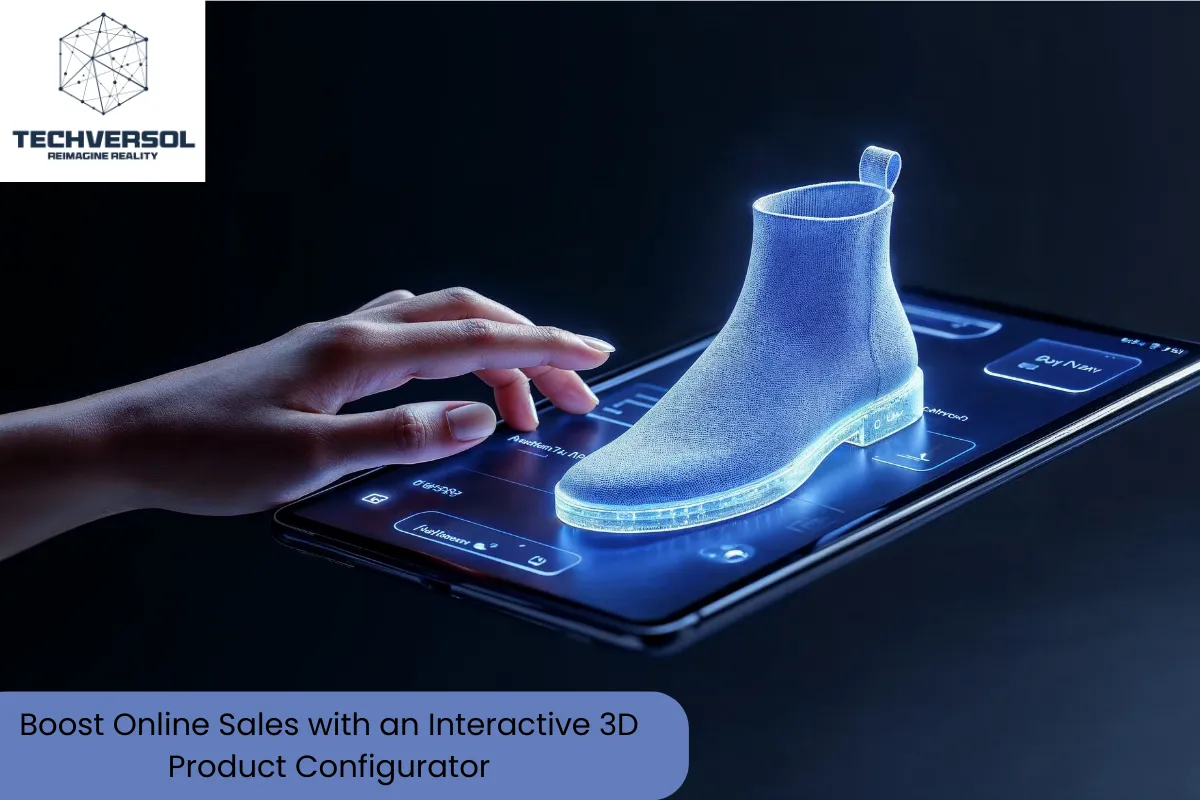
Let’s be real—clicking through static product photos and reading specs isn’t enough anymore. We live in a world of instant gratification and immersive experiences. So why should eCommerce feel flat? With features like 3D product configuration, customers can interact with products in real time—rotating, customizing, and truly experiencing them before they buy.
Imagine if your customers could spin, zoom, and customize your product in real time—like a virtual test drive before buying. That’s exactly what 3D product configuration brings to the table, and they’re not just a fancy feature—they’re the new standard for eCommerce in 2025.
At Techversol, we believe in creating experiences that drive action. So, in this deep dive, we’ll walk you through:
- Why customer experience is the new battlefield in eCommerce
- The power of 3D configurators and how they work
- Real-world stats that prove the ROI
- Actionable steps to implement one in your business
- Pro tips to future-proof your store with immersive tech
Let’s unlock the digital storefront of the future—shall we?
Why 3D Product Configuration Are the Ultimate CX Growth Lever in eCommerce
TIn the fierce online shopping world today, more than anything before, the customer experience (CX) matters. Because thousands of alternatives are only a click away, it’s no longer just about what you sell, but how you sell it. If your customer experience sucks, you are dead in the water.
There is a hard truth: Without using a 3D product configurator, one is leaving money on the table.
3D Product Configuration: The Next-Level CX Game Changer
According to PwC, 86% of buyers are willing to pay more for a great customer experience. Well, 3D product configuration is one of the easiest ways to deliver that great experience.
Why? Because customization, clarity, and engagement are what customers crave. And a 3D product configurator nails all of these.

Real-Time 3D Customization For Real Customer Connection
Speed & Ease = More Conversions
Your customers don’t have time for slow, clunky interfaces. If your site lags, they bounce. With 3D product configuration, you give them fast, responsive tools to customize their product exactly how they want—without the wait. It’s seamless. It’s quick. And it makes them want to buy.
Clarity = Confidence
This is where 3D configurators absolutely shine. Customers need to see what they’re getting—really see it. Static images or vague descriptions don’t cut it anymore. With interactive 3D views, your customers can rotate, zoom in, and get the clearest possible look at the product they’re about to buy. They know exactly what they’re getting. And that eliminates confusion, builds confidence, and drives sales.
Personalization = Loyalty
Here’s the reality: Customers expect personalization. Offering a product that they can customize—whether it’s a new sofa, a pair of shoes, or a high-end bike—directly in a 3D configurator is not a “nice to have.” It’s the bare minimum. You’re giving them control, making the experience feel personal, and that’s how you build loyalty and increase repeat business.
Support = Less Friction, More Sales
In online shopping, lack of support is a very common issue. Yet a 3D product configurator pre-empts the commonest questions by showing the customer exactly how their choices will look and function. They do not need to engage in back-and-forth with chat representatives or wait for somebody to help them. With this self-sufficiency comes less friction, a decrease in cart abandonments, and ultimately more sales.
The Numbers Speak for Themselves
Here’s why you should give a damn about all this:
- Customer Engagement: 3D configurators hold the user’s attention longer. The longer they engage, the more likely they are to buy.
- Lower Returns: Customers see exactly what they’re getting. No more mismatched expectations. This means fewer returns.
- Higher Conversions: A 3D configurator doesn’t just show products; it actively involves the customer in their purchase process, building confidence and pushing them closer to checkout.
Enter: The 3D Product Configurator
What if we told you there’s a way to check every box we just mentioned—and blow past your competitors?
That’s the magic of a 3D product configurator.
Definition:
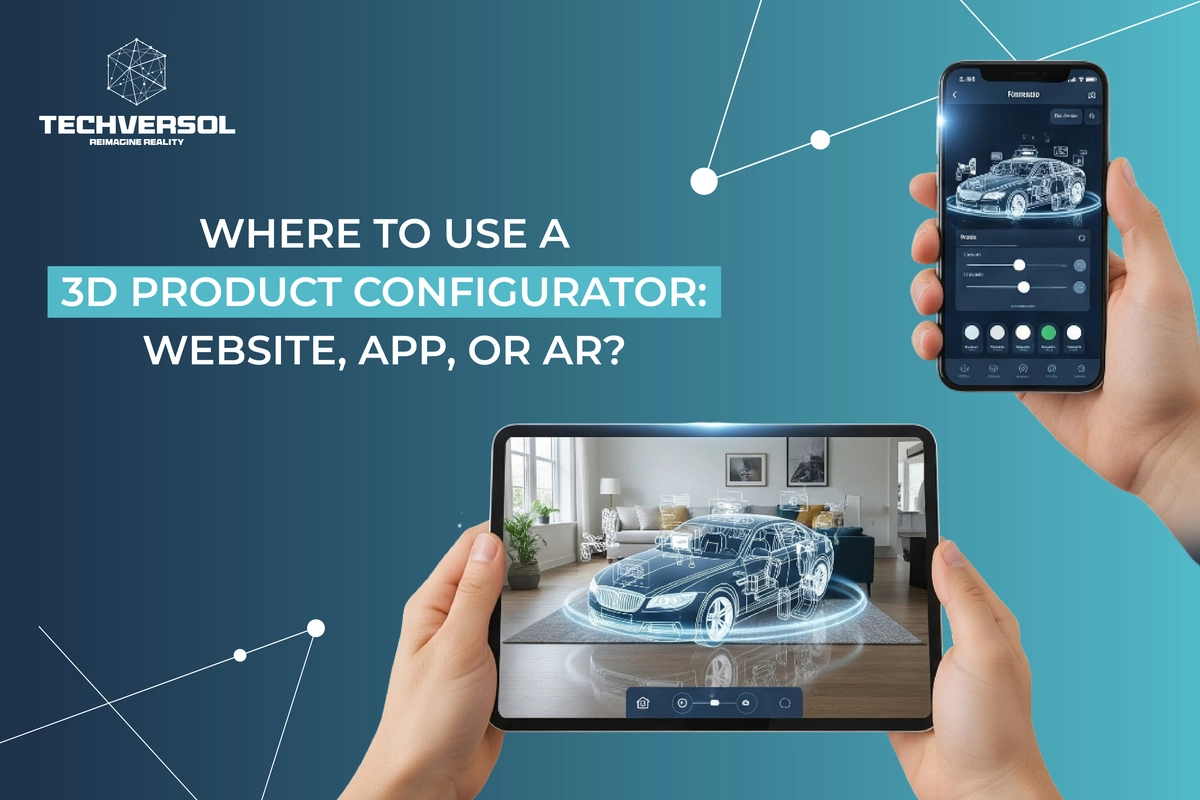
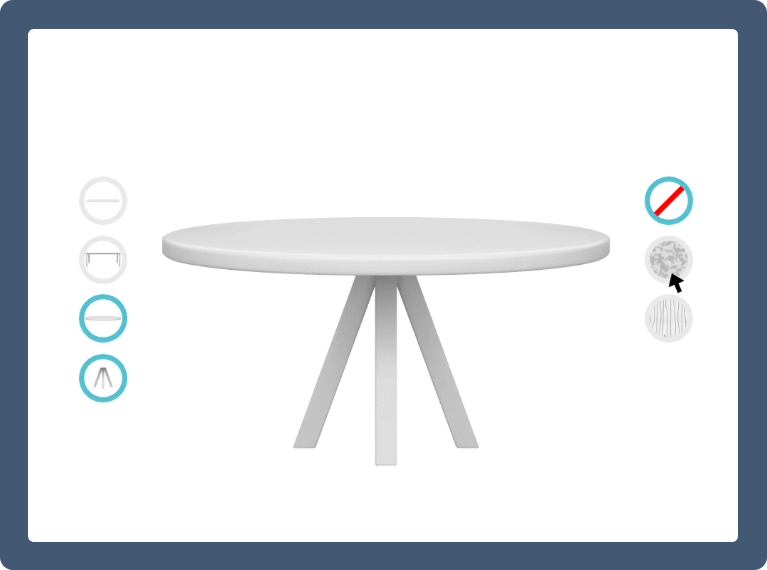
A 3D product configurator is an interactive tool that lets users visualize and customize products in real-time. Think spinning, zooming, swapping colors, changing materials, and even viewing the price change as they make tweaks.
It’s the bridge between online and in-store shopping—and it’s a game changer.
Don’t Show It—Let Your Audience Feel It In 3D
Why 3D? Because Seeing Is Believing!
Still images and videos can’t replicate the emotional connection that comes from interaction. According to Shopify, products with 3D/AR content showed a 94% higher conversion rate than those without.
When shoppers can experiment with a 3D clothing configurator, colors, finishes, and configurations, they’re not just browsing—they’re creating something personal. This deeper engagement translates into better understanding, stronger attachment, and more confident purchasing decisions.
3D configurators bring the tactile feel of offline shopping into the digital space, making your website more than a store—it becomes an experience. Customers don’t just buy—they engage, explore, and enjoy the process.
How a 3D Product Configurator Works
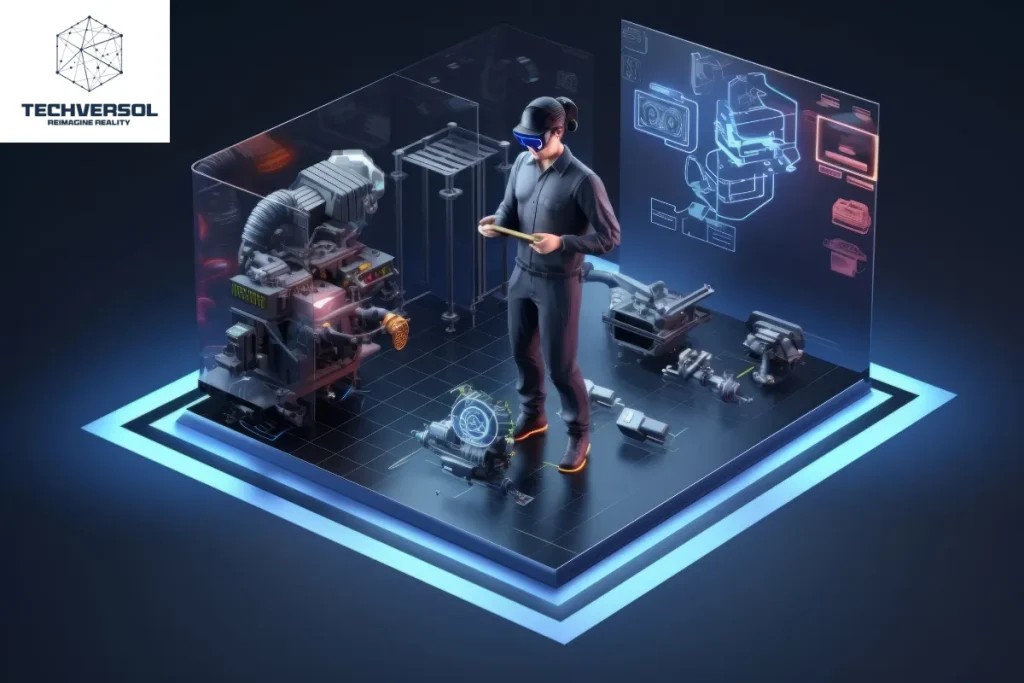
At Techversol, we believe tech should be powerful, but simple. Here’s how a 3D configurator works under the hood:
1. Pick a Base Model
Users start with a default version of the product—say a chair, sneaker, or laptop. This acts as the foundational template for customization. This base model includes default features, allowing users to build upon a realistic starting point.
2. Customize It in Real-Time
They change:
- Color
- Materials (wood, metal, leather, etc.)
- Features (wheels, buttons, cushions, handles—you name it)
- Components (RAM, screen size, motor type)
Every change instantly reflects on the 3D model, giving a live preview of how the final product will look. This real-time feedback makes decision-making smoother and more enjoyable.
3. Interactive View
Users can:
- Rotate the product 360°
- Zoom in and out
- View it in augmented reality (AR) on their phone
This immersive interaction eliminates ambiguity and replaces guesswork with certainty. It’s the closest thing to handling the product in person, from the comfort of your screen.
4. Dynamic Pricing
As features are added or removed, the price updates in real time. No surprises. Customers know exactly what they’re paying for. This transparency builds trust and helps users stay within budget.
5. Review & Buy
Happy with the configuration? They hit purchase and boom—custom order complete. The process feels empowering, not transactional. It transforms shopping into a creative journey, not just a click-and-pay task.
No Hidden Costs—Just Real-Time Prices In Full 3D Clarity
Why It Works: Real Stats That Prove the Power of 3D Configurators
Here’s what you get when you go 3D with Techversol:
1. Boosted Engagement
People stay longer, play more, and build a connection with your product. It’s like turning your product page into a digital playground where exploration is fun and rewarding. The interactive nature encourages curiosity and discovery.
2. Fewer Returns
When buyers know exactly what they’re getting, they’re less likely to be disappointed. A clear visual representation reduces “this isn’t what I expected” returns. The better they understand the product pre-purchase, the fewer post-purchase regrets.
3. Better UX Across Devices
Today’s configurators are mobile-optimized, lightning-fast, and user-friendly. Whether on desktop, tablet, or phone, the experience remains consistent and impressive. Responsive design ensures no compromises, regardless of screen size.
4. Higher AOV (Average Order Value)
Customization often leads to upsells. Want the premium leather? Upgrade the processor? Add a matching case? Easy clicks = easy money. Users tend to explore more and purchase add-ons when they can see their impact in real-time. Every visual upgrade nudges spending upward.
5. Stronger Brand Perception
Offering 3D shows your brand is modern, tech-savvy, and customer-focused. It signals innovation and a commitment to giving your customers the best possible experience. This forward-thinking approach sets you apart from competitors.
6. Seamless Data Collection
You get insights into what features users love most. That’s gold for future product dev and marketing campaigns. Every interaction becomes a data point you can learn from. These preferences guide decisions and refine offerings over time.
How to Implement a 3D Configurator on Your Site (Step-by-Step)
Want to roll one out? Here’s your roadmap:
Step 1: Choose the Right Tech Partner
Not all configurators are built the same. Look for:
- Real-time 3D rendering
- AR integration
- Easy CMS integration
- Custom branding
Techversol helps brands build configurators tailored to their industry—no cookie-cutter tools here. Your partner should understand your product, audience, and brand personality.
Step 2: Design With UX First
Keep it clean, intuitive, and responsive. No clunky buttons or long load times. If it doesn’t work smoothly on mobile, you’re in trouble. Prioritize simplicity, usability, and aesthetics to make interaction effortless.
Step 3: Integrate With Your Product Catalog
Sync your backend inventory and product specs so pricing, availability, and custom options are accurate. Integration ensures a seamless connection between what’s displayed and what’s delivered. Automation here prevents errors and mismatches.
Step 4: Train Your Team
Your sales and support team should know this tool inside out. If customers have questions, your team needs answers. Proper training improves service quality and customer satisfaction. Empower your team to be evangelists of the new experience.
Step 5: A/B Test and Optimize
Roll it out gradually. Track:
- Conversion rates
- Session duration
- Most-used features
Use this data to refine the UI and options. Continuous improvement based on real-world usage is key to long-term success. Small tweaks can lead to big gains.
Pro Tips: Take Your Configurator from Good to Game-Changing
Want to go beyond basic?
Add AR integration so users can place the product in their space. It makes the digital experience tangible. Enable screenshots so customers can save and share their designs. Social sharing drives organic reach. Use analytics to find your top-selling customizations. Data-driven insights guide smarter decisions. Allow saved configurations so users can come back later and pick up where they left off. It increases return visits. Use AI to recommend popular builds or auto-complete based on user intent. Make the experience smarter and faster.
These enhancements aren’t just bells and whistles—they’re levers that deepen interaction, simplify decision-making, and amplify brand visibility.
Use Cases Across Industries
3D product configuration is No Longer a “Nice to Have”—They’re a Must-Have!
If you’re serious about customer experience and want to stay ahead of the competition, integrating a best product configurator should be at the top of your list. It isn’t just an advanced feature—it’s the future of online shopping.
Incorporate it, and you’ll be able to offer a shopping experience that isn’t just functional—it’s immersive, personalized, and engaging.
Every Industry. Every Product. One Solution: 3D Configuration!
Let’s break the myth that 3D configurators are only for tech or furniture.
Here’s how different industries are winning:
| Industry | Use Case Example |
| Fashion | Design-your-own sneakers or watches |
| Automotive | Build your dream car with all the trims |
| Home Decor | Customize sofa fabric, size, and layout |
| Electronics | Pick laptop specs, colors, and accessories |
| Industrial B2B | Configure machinery components or layouts |
| Jewelry | Visualize custom rings, pendants, or earrings |
Each sector leverages configurators to meet unique needs—be it emotional appeal, technical precision, or aesthetic personalization.
The SEO and Semantic Win of 3D Content
Aside from better UX and conversions, 3D configurators also unlock a hidden gem: semantic SEO value.
Google loves rich, interactive content. Pages with 3D models:
- Increase dwell time
- Decrease bounce rates
- Generate user-generated content (screenshots, shares)
- Earn more backlinks from design blogs and tech showcases
Is it mobile-friendly?
Modern 3D configurators—especially those built by Techversol—are fully responsive. Whether users are on desktops, tablets, or smartphones, the experience remains seamless, fast, and intuitive.
Pro Tips to Future-Proof Your Store with 3D Configurators
3D product configurations aren’t just riding the wave of eCommerce innovation—they’re steering it. And in 2025, they’re shifting from “nice-to-have” to non-negotiable for any brand that wants to stay relevant.
So what’s next for this tech? How do you future-proof your online store using best product configurators that do more than just look good?
Here’s what’s reshaping the 3D configurator space this year—and beyond:
1. Hyper-Realism Is the New Standard
Forget basic 3D spins. In 2025, consumers expect configurators that feel almost tactile—think high-resolution textures, real-world lighting simulation, and shadow accuracy. This level of realism builds trust. If it looks like the real thing, it sells like the real thing.
2. Configurators Are Going Mobile-First
Shoppers aren’t just browsing on mobile—they’re building full configurations on their phones. That means configurators need to be optimized for small screens, touch gestures, and low-latency performance. The brands winning this year are designing configurators for mobile first, desktop second.
3. Real-Time AR Integration Is Becoming Mainstream
Augmented Reality isn’t a gimmick anymore. In 2025, leading brands are blending AR with their configurators so customers can see their customized product in their space—live and in 3D. Imagine configuring a couch and seeing how it looks in your living room in seconds.
4. Data-Driven Personalization
Smart configurators in 2025 are learning from user behavior. Based on previous interactions, preferences, or even popular combinations, they suggest features, finishes, or bundles in real time. It’s like having a personal shopper inside the tool.
5. 3D Configurators as Sales Tools
Sales teams are now using configurators during live demos, virtual consultations, and even in-store screens. They’re not just for customers—they’re empowering reps to explain, visualize, and upsell more effectively.
6. Instant Manufacturing Handoffs
What you configure can now be built faster. In 2025, some configurators link directly to manufacturing systems—turning customer customizations into production-ready files instantly. No middle steps. No translation errors. Just plug-and-produce.
Final Thoughts!
The line between online and in-store is vanishing fast. If your digital shelf isn’t as engaging as a showroom, you’re not meeting today’s buyer expectations. With features like 3D product configuration, you can bring that in-store experience online—letting customers explore and customize products in real time. But here’s the good news—you don’t need to reinvent the wheel. You just need the right tools and the right partner.
Want to launch a 3D configurator for your brand? Let Techversol help you build it.
Read Also : How Techversol’s 3D Product Configurator Elevates Visualization and Product Customization
FAQs:
1. What types of products can be sold using a 3D configurator?
Almost any customizable product works well with a 3D configurator. Industries like fashion, automotive, home decor, electronics, jewelry, and even B2B manufacturing use them to offer tailored shopping experiences that resonate with their audiences.
2. Does using a 3D configurator reduce product returns?
Absolutely. By giving shoppers a crystal-clear understanding of what they’re buying, 3D configurators help align expectations with reality. According to Coresight Research, returns drop by around 35% when configurators are in play.
3. What features should a high-quality configurator have?
A great configurator should offer real-time 3D rendering, AR integration, dynamic pricing, smooth mobile compatibility, CMS integration, and intuitive UX. Bonus features like saving configurations, AI-driven suggestions, and analytics add even more value.
4. How do I implement a 3D configurator on my website?
You’ll need a capable tech partner like Techversol. The process includes choosing the right platform, integrating it with your catalog, optimizing UX, training your team, and continuously improving based on user behavior through A/B testing.
5. Can a 3D configurator increase sales and conversions?
Yes. Studies show a significant uptick in performance—3D/AR tools can boost conversion rates by over 30%. These tools reduce hesitation and increase buyer confidence, making it easier for customers to commit to a purchase.
6. How does a 3D configurator improve customer experience?
By offering real-time customization, instant feedback, and immersive interaction, 3D configurators make shopping more engaging and intuitive. Shoppers gain clarity, confidence, and control over their purchase—leading to a better overall experience and fewer post-purchase regrets.