Still trying to sell properties using flat blueprints and grainy photos? In 2025, that’s like trying to sell pizza with a black-and-white drawing—nobody’s biting. Enter 3D architectural rendering: the visual magic that turns your property plans into stunning, lifelike images that make buyers say “Wow!” Imagine showing off a house before it’s even built, with all the details—sunlight, shadows, furniture, and all. It’s Photoshop for buildings, but way cooler. If you want to impress buyers, speed up sales, and maybe even make your competitors jealous, it’s time to render your way to real estate glory. Let’s get started!
What is 3D Architectural Rendering?
3D rendering is the process of creating realistic, computer-generated images or animations of buildings and spaces before they’re built. Think of it as giving life to an architect’s vision, complete with lighting, textures, furniture, and landscaping. Instead of showing clients flat blueprints or sketches, you can present a visually rich experience that helps them truly see the finished property. From stunning exteriors to cozy living rooms, 3D Architectural Rendering helps communicate design ideas. It’s like a virtual tour of the future home—only without the construction dust or hard hats.

Need Better Designs? We’ve Got You Covered!
Why 3D Rendering is a Game-Changer in 2025
In 2025, buyers expect more than a few photos—they want the full experience. 3D rendering gives them exactly that. With tech like virtual reality and augmented walkthroughs becoming common, a lifelike architectural visualization studio helps buyers connect emotionally with a property, even before it exists. For developers and agents, it means faster sales, fewer misunderstandings, and better marketing. Want to sell off-plan homes? 3D rendering makes it possible. Need to wow investors or stakeholders? One render can do more than a whole pitch deck. It’s not just helpful—it’s essential in a market where attention spans are short and expectations are sky-high.
5 Ways 3D Rendering Boosts Property Sales
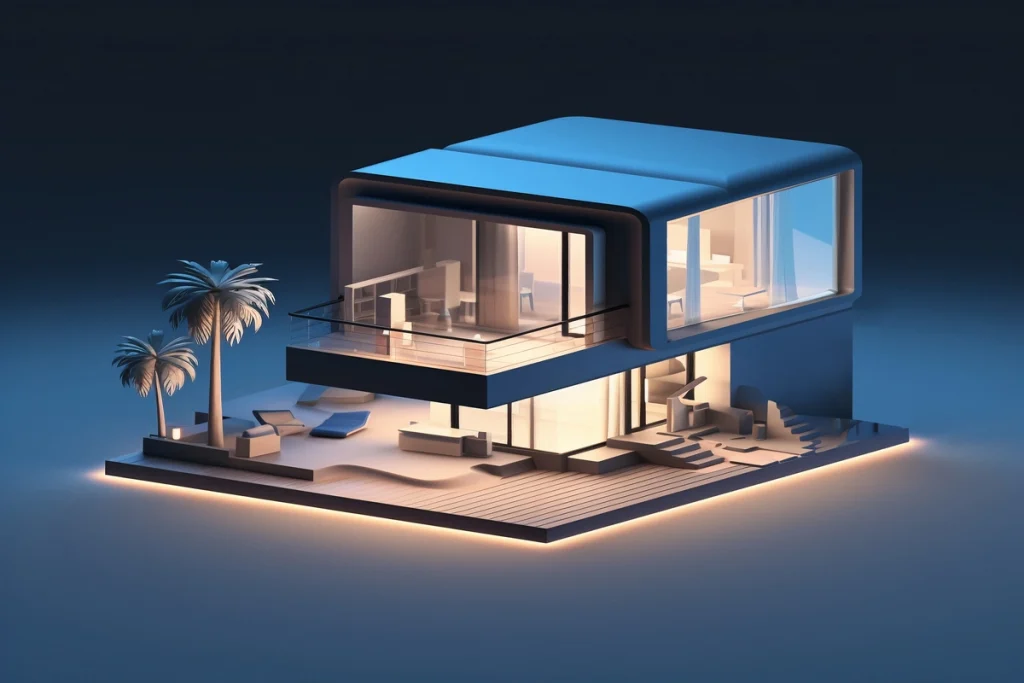
3D rendering is revolutionizing the way properties are sold in 2025. From attracting attention to speeding up sales, here are five ways this powerful tool can boost your property sales like never before.
1. Grabs Instant Attention
In today’s crowded property market, catching a buyer’s eye is everything. 3D rendering creates stunning, lifelike images that help your listing stand out online and offline. Instead of showing flat blueprints, you present a real, beautiful vision of the future home. This immediate visual impact attracts more interest, clicks, and visits. With buyers scrolling fast, 3D visuals stop them in their tracks and get them to notice your property instantly.
2. Brings Designs to Life
Most people struggle to understand floor plans or imagine unfinished properties. 3D rendering solves this by turning plans into vivid, photorealistic images. Buyers can visualize every room, the layout, lighting, and even textures. This makes it easier for them to imagine living in the space, forming a deeper emotional connection. When a buyer sees the lifestyle your property offers, it makes them more confident and ready to make a decision.
3. Speeds Up Sales
When buyers see what they’re getting, they make decisions faster. 3D rendering eliminates confusion and answers common questions before they’re asked. It shows the actual space and flow, which helps avoid long discussions or doubts. Real estate agents also benefit from using the renders in their presentations, saving time on explanations. The result? Smoother communication, fewer delays, and faster closing times—making 3D Architectural Rendering a powerful sales accelerator.
4. Boosts Marketing Power
3D renderings are perfect for marketing. They look great on websites, social media, print materials, and even outdoor signs. High-quality visuals grab attention and build excitement around your property. You can also use them in video ads or virtual walkthroughs. Buyers today expect strong visuals, and 3D rendering helps you meet those expectations. Better marketing means more leads, more traffic, and a better chance of closing deals quickly and effectively.
5. Saves Money and Time
Staging homes costs time and money, but 3D rendering removes the need for all that. You can create multiple interior styles or color schemes digitally, without moving furniture or hiring photographers. Plus, it reduces unnecessary property visits, since buyers can explore everything virtually. This saves energy, time, and budget while still giving buyers an engaging and detailed experience. It’s a smart investment that pays off with less hassle and more results.
Looking For Affordable Visualization ? Let’s Fix That!
How to Get Started with 3D Architectural Rendering
Getting started with 3D rendering can transform your design process. In this guide, we’ll walk you through the essential steps and tools needed to bring your architectural ideas to life.
Know the Benefits of 3D Rendering
3D Architectural Rendering offers numerous benefits for both buyers and sellers. For sellers, it can significantly reduce the time it takes to close a deal. For buyers, it provides a clear and realistic picture of what they’re investing in, which increases confidence. Additionally, 3D renders help avoid misunderstandings that can arise from traditional 2D plans or drawings. With the ability to showcase properties in realistic settings, 3D renders make it easier to highlight the full potential of a space.
Choosing the Right Software
To get started with 3D rendering, you need the right software. Popular options include SketchUp, AutoCAD, and 3ds Max. Each tool has its strengths depending on your project’s needs. For example, SketchUp is beginner-friendly, offering simplicity and quick results, while AutoCAD provides precision for architectural designs. 3ds Max is a robust tool for photorealistic rendering, perfect for more complex projects. Research the software that aligns with your project goals and budget to ensure a smooth rendering experience.
Gather Accurate Measurements and Blueprints
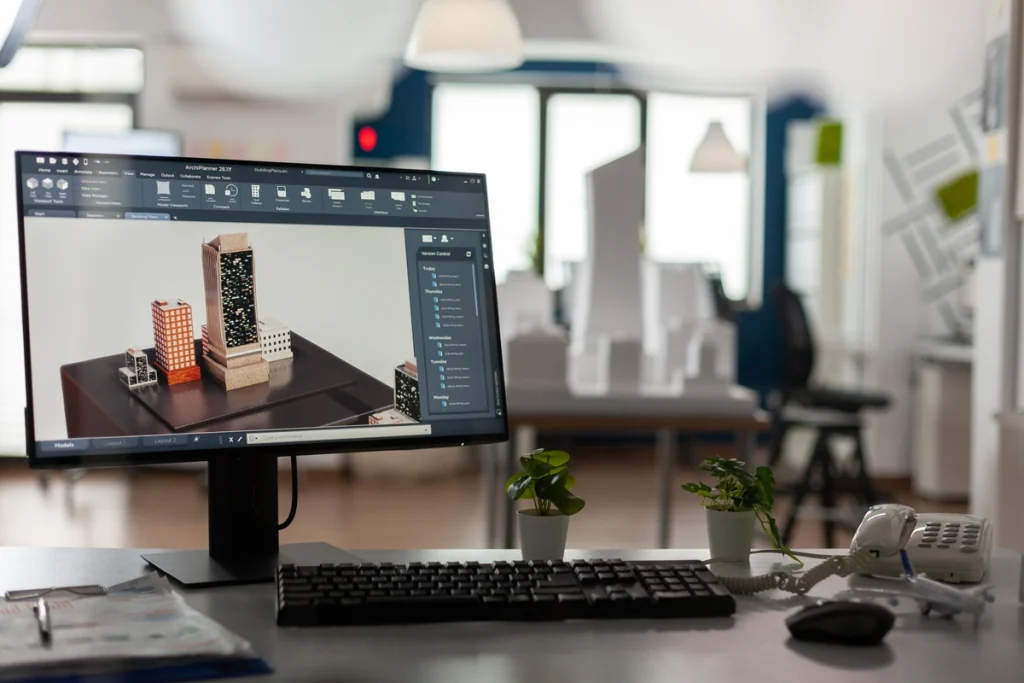
Accurate measurements and detailed blueprints are the foundation of a successful 3D render. Before starting the rendering process, make sure you have precise dimensions of the property or structure. The more accurate the blueprint, the more realistic and precise your 3D render will be. You’ll need measurements of walls, doors, windows, and other 3D Architectural Rendering features. By starting with an accurate base, you ensure the final rendered images will reflect the true design and proportions of the property.
Create a 3D Model
The next step in the rendering process is creating the 3D model. This is the digital representation of your 3D Architectural Rendering design. Using your blueprints and measurements, you can begin constructing the 3D model in your chosen software. This process involves creating the basic geometry of the space, including walls, floors, ceilings, and openings. It’s important to work layer by layer to ensure the structure’s accuracy and integrity. Once you’ve completed the basic model, you can move on to refining details and adding elements like furniture and landscaping.
Add Textures and Materials
Textures and materials bring your 3D model to life. In this step, you’ll apply surface finishes, such as wood, stone, or glass, to different parts of your model. These materials help convey the look and feel of the space. Textures add realism by simulating the appearance of surfaces and finishes. For example, applying a glossy texture to floors or a soft texture to walls can greatly enhance the model’s visual appeal. This step adds depth and dimension to the digital space.
Set the Lighting and Shadows
Lighting is a critical element in 3D rendering. It impacts the mood and feel of your space, making it appear either bright and airy or warm and cozy. To get started, set up your lighting based on the time of day and location of the building. Simulate natural light with sunlight settings or use artificial lighting to highlight specific features. Shadows are also important as they create depth and realism in the render. Experiment with different light angles to see how they affect the scene. In addition, architectural CGI brings design concepts to life, offering photorealistic visuals that help clients envision structures before construction begins.
Choose the Right Camera Angles
Choosing the right camera angles for your 3D render is key to showcasing your design in the best light. Think of the camera as your viewer’s eyes—where you place it will determine how the space is perceived. For interior renders, set cameras at eye level or slightly above to create an immersive feel. For exterior shots, consider angles that highlight the building’s key features. Use multiple camera angles to give a full view of the property, allowing potential buyers to explore the design in depth.
Render the Image or Animation
Once your model is complete and you’re satisfied with the textures, lighting, and camera angles, it’s time to render the image or animation. Renderings architecture is the process of turning the 3D model into a 2D image or video. Depending on the complexity of the scene and your computer’s capabilities, rendering can take anywhere from a few minutes to several hours. Be prepared for some trial and error, as fine-tuning lighting and textures may be necessary. Once rendered, you’ll have a high-quality image that reflects your design.
Struggling to See Your Ideas? We’ll Help!
Edit and Refine the Render
Even after rendering, you may need to make adjustments. This could involve fine-tuning the lighting, adding additional textures, or correcting color balance. Post-production software like Photoshop can help improve the rendered images by enhancing details such as shadows, highlights, and textures. Editing is crucial to achieving a polished, professional look that’s ready for marketing purposes. Pay attention to small details like reflections, transparency, and surface finishes to ensure your render is visually stunning and as realistic as possible.
Showcase the Render in Marketing Materials
Once your 3D render is complete and polished, it’s time to showcase it in your marketing materials. Whether you’re selling real estate, presenting 3D Architectural Rendering designs to clients, or marketing a new development, high-quality renders can make a huge impact. Use the renders on websites, brochures, and social media platforms. Virtual tours and interactive 3D models are also great ways to present your work. By incorporating renders into your promotional efforts, you’ll create a powerful visual tool to help sell or showcase your property or design.
Use Virtual Reality for an Immersive Experience
For an even more advanced experience, consider incorporating virtual reality (VR) into your 3D rendering process. VR allows potential buyers or clients to step into the space and explore it in 360 degrees. This immersive experience takes the power of 3D rendering to the next level by giving viewers a real sense of scale and layout. VR can help bring your design to life in ways that static images cannot, offering an engaging and interactive way to experience your property.
Explore Professional Rendering Services
If you’re looking to create high-quality 3D renders but lack the time or skills, consider hiring a professional rendering service. These companies specialize in creating photorealistic renders, animations, and virtual tours. Working with experts can save you time and ensure that your render is top-notch. Professional services can take your 3D Architectural Rendering vision to the next level, making it easier to showcase your property or design to potential buyers, investors, or clients. They can also provide valuable feedback to improve your overall presentation.
Stay Updated with Trends and Technology
The field of 3D architectural rendering is constantly evolving, with new software, techniques, and trends emerging regularly. To stay competitive, it’s important to keep learning and exploring new tools. Follow industry blogs, attend webinars, and engage with the 3d architectural exterior rendering community to stay updated. This will help you keep your designs fresh and relevant. Additionally, experimenting with new technologies, such as augmented reality or 3D printing, can help you push the boundaries of traditional rendering and offer innovative experiences.
Maximize Your Reach With Our Expert Game Developers
Blog Summary!
Incorporating 3D architectural rendering into your property sales strategy in 2025 can significantly enhance your marketing efforts and accelerate the sales process. By offering realistic architectural visualization, you provide potential buyers with a clear, immersive experience of the property, helping them visualize their future home. The ability to present detailed, lifelike images builds trust and increases engagement, ultimately leading to quicker and more confident decisions. Embracing this technology not only boosts your competitive edge but also improves overall sales performance. Start leveraging 3D rendering today and watch your property sales soar in 2025 and beyond.
Read Also : Advanced 3D Architectural Animation Services – new-tcv